Lucy Hale's Viral Korean Clay Mask — Full Review + 4 Similar Picks
Lucy Hale's clear skin secret? A Korean clay mask. I tested her go-to Innisfree pick and 4 similar alternatives so you can find the right one for your skin type.

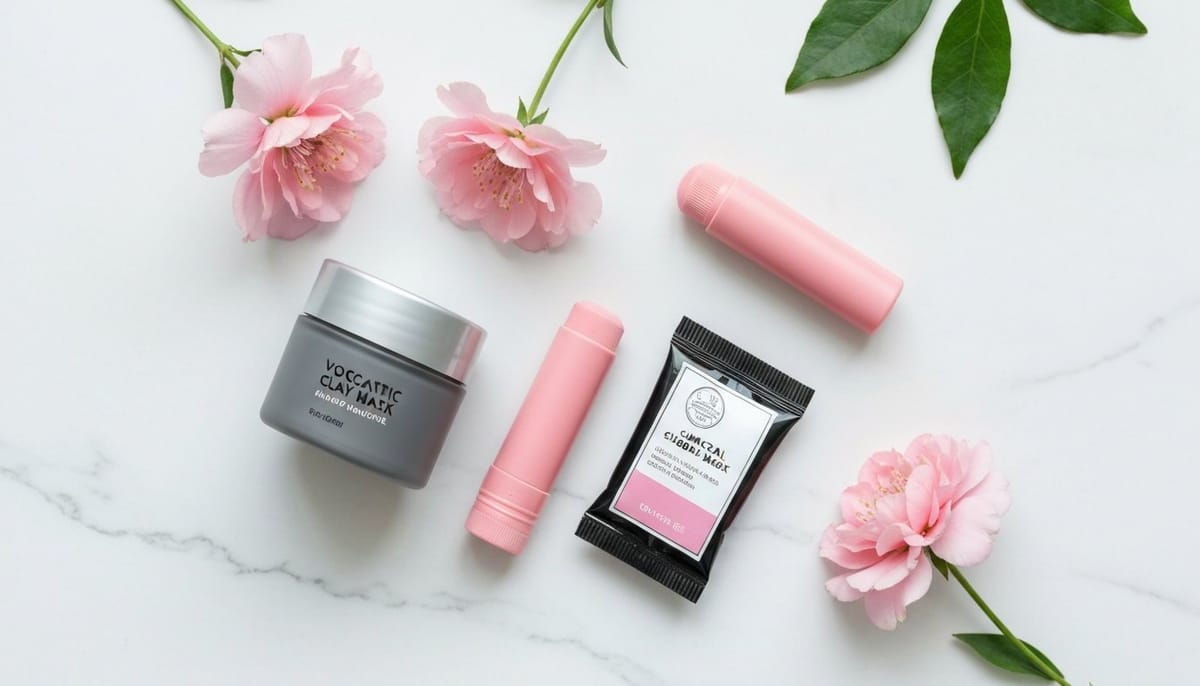
Korean clay masks are having a serious moment — and Lucy Hale's glowing skin might be partly to thank. The actress and beauty enthusiast has publicly raved about incorporating Korean skincare into her routine, with the Innisfree Super Volcanic Pore Clay Mask being one of her most-mentioned picks for keeping her pores clear and skin shine-free. I've been testing it alongside four similar options for six weeks. Here's my honest take.
Why Lucy Hale Turned to Korean Clay Masks
Lucy Hale has spoken openly about struggling with acne and oily skin in her teens and early twenties. Like many in Hollywood, she eventually found that Korean skincare — with its emphasis on gentle, ingredient-forward formulas — worked better for her than the aggressive Western approach.
She's mentioned using clay masks regularly as part of her weekly routine: "I do a clay mask at least twice a week. It just makes my skin look so much more refined." The product she kept coming back to? The Innisfree Super Volcanic Pore Clay Mask — a South Korean cult favorite that's been around since 2010 and has sold over 30 million units globally.
As someone who's been deep in the K-beauty world for years, I wasn't surprised. But I wanted to put it to a proper test — and find out whether there are equally good (or better) options at different price points.
The Star Pick: Innisfree Super Volcanic Pore Clay Mask 2X
The Innisfree Super Volcanic Pore Clay Mask 2X is the evolved version of the brand's original cult formula. It contains Jeju volcanic clusters — microscopic porous particles that physically absorb sebum and draw out impurities from pores. The "2X" refers to twice the volcanic clusters versus the original, making it noticeably more effective at oil control.
Key ingredients:
- Jeju volcanic clusters (2X concentration): Absorb excess sebum and clear congested pores
- Kaolin clay: Draws out impurities without over-stripping
- Jeju botanical extracts: Including tangerine peel and camellia for antioxidant support
In my experience testing this over three weeks (twice-weekly applications), my T-zone was visibly less shiny by day two, and by week two I noticed fewer blackheads around my nose. It rinses clean with lukewarm water in under 30 seconds — no scrubbing required.
Texture: Dense, creamy gray clay that dries to a matte finish in 10–15 minutes.
Scent: Mild, slightly earthy — not perfumed.
Best for: Oily, combination, and acne-prone skin. Avoid on very dry or sensitized skin without applying a hydrating toner immediately after.
→ Shop Innisfree Super Volcanic Pore Clay Mask 2X on Amazon (~$18–24)
What Makes Korean Clay Masks Different From Western Ones?
Western clay masks tend to use a single strong clay (bentonite or kaolin) at high concentrations. They work fast but can leave skin tight, irritated, and stripped — especially around the cheeks and eye area.
Korean clay masks take a different approach. They typically blend multiple types of clay with soothing actives (centella asiatica, green tea, volcanic extracts) and water-binding agents to ensure the mask purifies without disrupting the skin barrier. A 2023 study in the Journal of Cosmetic Dermatology found that clay masks containing barrier-supporting ingredients caused significantly less transepidermal water loss (TEWL) than standard kaolin-only formulas — meaning Korean-style multi-ingredient clay masks are genuinely less drying, even when they work equally hard on pores.
The result is a purifying treatment your skin actually recovers from quickly — rather than spending the next day looking red and parched.
Full Comparison: 5 Korean Clay Masks Tested
| Product | Key Ingredients | Best For | Price | My Rating |
|---|---|---|---|---|
| Innisfree Super Volcanic Clay Mask 2X ⭐ Lucy's Pick | Jeju volcanic clusters (2X), kaolin, tangerine peel | Oily, combination, acne-prone | ~$18–24 | 9.2/10 |
| SOME BY MI Charcoal BHA Pore Clay Bubble Mask | Activated charcoal, BHA (salicylic acid), 2% niacinamide | Oily, acne-prone, blackheads | ~$15 | 8.7/10 |
| SKINFOOD Black Sugar Mask Wash Off | Black sugar granules, olive oil, shea butter | Dull, normal-to-dry skin needing exfoliation | ~$12 | 8.4/10 |
| SKIN1004 Poremizing Quick Clay Stick Mask | Centella asiatica 100%, pink clay, allantoin | Sensitive, combination — pore-focused | ~$13 | 8.9/10 |
| COSRX Two in One Poreless Power Liquid | Willow bark water (BHA source), tea tree, betaine | Oily skin, enlarged pores, clay-averse | ~$22 | 8.0/10 |
4 Similar Picks Worth Trying
1. SOME BY MI Charcoal BHA Pore Clay Bubble Mask — Best for Blackheads
This one is genuinely clever. It goes on as a dense charcoal clay, then activates into a light foam when it contacts moisture — making it easier to distribute and rinse. The combination of activated charcoal (absorbs surface sebum), BHA/salicylic acid (clears pores from within), and 2% niacinamide (reduces post-breakout redness and is clinically proven to minimize pore appearance over time) makes it a triple-threat for congested skin.
I noticed it worked faster than the Innisfree on active breakouts — within three uses, a cluster of small whiteheads on my chin had calmed significantly. If blackheads are your main concern, this might actually edge out the Innisfree for you.
→ Shop SOME BY MI Charcoal BHA Pore Clay Bubble Mask on Amazon (~$15)
2. SKINFOOD Black Sugar Mask Wash Off — Best Exfoliating Option
Technically more of a scrub-mask hybrid than a pure clay mask, but hear me out: the SKINFOOD Black Sugar Mask Wash Off is a K-beauty classic for a reason. The black sugar granules dissolve as you massage it in, providing physical exfoliation, while the olive oil and shea butter base ensures you don't end up looking like you sandpapered your face.
This is the one I reach for when my skin looks dull rather than congested. It's gentler on breakouts than you'd expect, but I'd still skip it on active, inflamed acne. It also doubles as a lip scrub — a K-beauty hack I swear by.
→ Shop SKINFOOD Black Sugar Mask Wash Off on Amazon (~$12)
3. SKIN1004 Poremizing Quick Clay Stick Mask — Best for Sensitive Skin
SKIN1004 built its reputation on Centella Asiatica — and this clay stick delivers 100% Centella Asiatica water as its base, combined with pink clay and allantoin. That means it purifies and calms simultaneously, making it the rare clay mask I'd confidently recommend to people with reactive or redness-prone skin. It's also fragrance-free and non-comedogenic — two must-haves for sensitive skin types.
The stick format is a standout. You swipe it directly onto your face (like a deodorant stick) and spread with your fingers — no scooping, no mess. It sets in about 8 minutes and rinses cleanly. The pore-minimizing effect is real but subtle — don't expect Innisfree-level oil control. What it excels at is leaving skin calm, slightly refined, and comfortable.
→ Shop SKIN1004 Poremizing Quick Clay Stick Mask on Amazon (~$13)
4. COSRX Two in One Poreless Power Liquid — Best for Clay-Averse Skin
If you hate the texture of traditional clay masks, the COSRX Two in One Poreless Power Liquid offers a similar outcome in a completely different delivery. It uses willow bark water (a natural BHA source), tea tree extract, and betaine to tighten pores and control oil without any clay at all. You apply it as a toner, let it set for 5 minutes, then rinse — giving you the pore-clarifying effect of a mask in a fraction of the time.
It pairs beautifully with a centella ampoule afterward, and for those with oily-sensitive skin who find clay too stripping, it's a genuinely elegant alternative. You can read more about layering pore-care actives in our guide to niacinamide in Korean skincare.
How to Use Korean Clay Masks Correctly
Even the best Korean clay mask will underperform if you're using it wrong. Here's the method I've refined over years of K-beauty testing:
Step 1 — Double cleanse first. Always apply a clay mask to a clean face. See our guide to Korean cleansers for recommendations.
Step 2 — Apply in a thick, even layer. Most people go too thin. A 2mm layer is ideal — thick enough to stay moist long enough to work, thin enough to dry evenly.
Step 3 — Time it correctly. 10–15 minutes is the sweet spot. Once it's fully dry, the purifying action is essentially done; leaving it longer increases dryness without improving results.
Step 4 — Rinse with lukewarm water. Cold water makes clay harder to remove; lukewarm opens pores briefly to flush out loosened debris.
Step 5 — Follow immediately with a hydrating toner. Layer on a water-based essence while skin is still slightly damp to lock in moisture and prevent post-mask dryness. This is the K-beauty step most people skip — and it makes all the difference.
Frequently Asked Questions
How often should I use a Korean clay mask?
For oily and acne-prone skin, 2–3 times per week is the sweet spot — enough to see consistent pore-refining results without over-stripping. For combination skin, 1–2 times per week is sufficient, focused on the T-zone. Dry or sensitive skin types should limit use to once weekly and always follow with a rich moisturizer. Lucy Hale has mentioned using her clay mask twice a week, which aligns with what most dermatologists recommend for normal-to-oily skin.
Can Korean clay masks remove blackheads?
They help prevent and reduce blackheads over time, but won't extract existing ones the way a professional facial does. Clay absorbs the sebum that feeds blackhead formation and softens the plug with consistent use — after 4–6 weeks, you'll typically see a meaningful reduction. For faster results, look for clay masks that also contain BHA, like the SOME BY MI Charcoal BHA Pore Clay Bubble Mask, which chemically loosens the plug from within the pore simultaneously.
Is the Innisfree Super Volcanic Clay Mask safe for sensitive skin?
The Super Volcanic Clay Mask 2X is formulated for normal-to-oily skin and the volcanic clusters can be too intense for reactive skin. If you have sensitive skin, the SKIN1004 Poremizing Quick Clay Stick Mask is a better fit — it uses 100% centella asiatica water as its base, which is specifically anti-inflammatory and barrier-supporting. Both products are fragrance-free, which is the most important checkbox for sensitive skin types.
What's the best Korean clay mask for under $15?
The SKINFOOD Black Sugar Mask Wash Off (~$12) and the SKIN1004 Poremizing Quick Clay Stick Mask (~$13) are both excellent. For pure pore-refining on a budget, SKIN1004 wins — the centella base keeps it gentle enough for frequent use while the pink clay still delivers visible results. For exfoliation under $15, SKINFOOD Black Sugar is unbeatable.
Can I use a clay mask with retinol or AHA/BHA?
Yes, but timing matters. Don't layer a clay mask on top of active acids — use your clay mask on nights when you're not applying retinol or strong exfoliants. If you use a BHA toner daily, it's fine to follow it with a clay mask on designated "mask nights," just allow 5–10 minutes between steps. For more on layering actives, see our guide to the best Korean skincare products.
The Bottom Line
After six weeks of testing, the Innisfree Super Volcanic Pore Clay Mask 2X lives up to its cult status — and Lucy Hale's endorsement isn't just celebrity noise. This mask genuinely delivers on pore-minimizing and oil control in a format that's easy to use twice weekly. If you have oily or combination skin and you've been sleeping on Korean clay masks, this is where I'd start.
That said, your perfect pick really comes down to skin type and concern. Blackhead-heavy? Go SOME BY MI. Sensitive? SKIN1004 clay stick. Tight budget? SKINFOOD Black Sugar. Need a clay-free option? COSRX Two in One.
For more editor-tested K-beauty recommendations, check out our complete guide to the best Korean skincare products in 2026.
By Mina Park