The Complete Korean Skincare Routine: A Step-by-Step Guide for Beginners
I've tested hundreds of K-beauty products over the past decade — here's exactly how to build your Korean skincare routine from scratch, step by step.

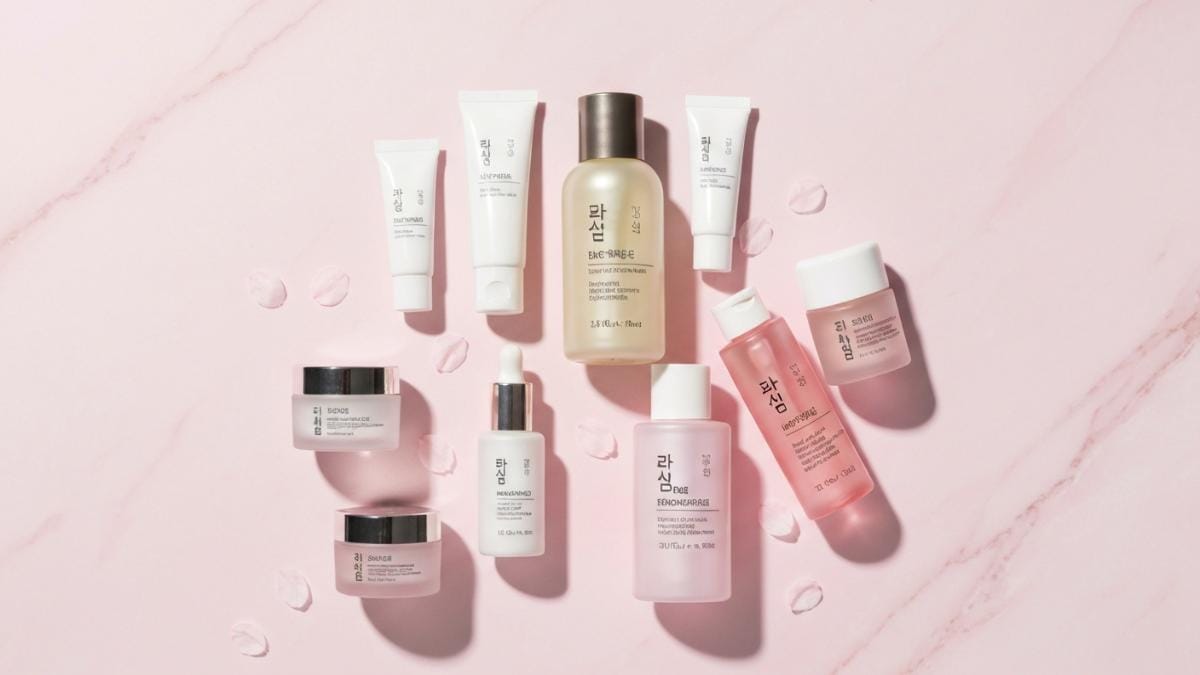
By Mina Park
Okay, real talk — when I first discovered Korean skincare back in 2016, I was overwhelmed. Ten steps? Double cleansing? Essences? I remember staring at a shelf full of products in Myeongdong thinking, where do I even start?
Fast forward to now, and I’ve tested hundreds of K-beauty products, talked to Korean dermatologists, and refined my routine more times than I can count. Here’s the thing: the Korean skincare routine isn’t about doing all ten steps every single day. It’s a flexible framework that you customize to your skin’s needs. And once you understand the why behind each step, building your routine becomes second nature.
Let me walk you through every step — what it does, who needs it, and the products I actually keep coming back to.
Why Korean Skincare? (And Why the Multi-Step Approach Works)
Before we dive in, let’s address the elephant in the room. Why so many steps?
In my experience, the Korean approach works because it layers lightweight, targeted products instead of relying on one heavy cream to do everything. Think of it like building a meal versus eating one big protein bar — you’re giving your skin exactly what it needs in the right order, at the right concentration.
Korean skincare philosophy centers on prevention over correction. Rather than waiting for wrinkles to appear and then treating them, the goal is to keep your skin barrier strong, hydrated, and protected from day one. This is what’s actually trending in Gangnam clinics right now — barrier health over aggressive actives.
The Full Korean Skincare Routine: All 10 Steps Explained
Here’s the complete order. Don’t worry — I’ll tell you which steps are essential and which ones you can skip as a beginner.
Step 1: Oil Cleanser (PM Only)
This is where it all starts, and honestly, it’s the step that converted me to K-beauty for life. Oil cleansers dissolve sunscreen, makeup, and sebum without stripping your skin. Water-based cleansers alone can’t fully remove oil-based impurities — that’s just chemistry.
I’ve been testing the Banila Co Clean It Zero Cleansing Balm on and off for years, and it’s still my go-to recommendation for beginners. It melts into skin, emulsifies with water, and rinses clean without any greasy residue. The KOSE Softymo Speedy Cleansing Oil is another solid choice if you prefer a liquid formula.
Mina’s tip: Massage the oil cleanser onto dry skin for at least 60 seconds. This is where the magic happens — you’ll actually feel the grits coming out of your pores.
Step 2: Water-Based Cleanser
The second half of the double cleanse. This step removes any remaining water-based impurities like sweat and dirt. You want something with a low pH (around 5.5) to keep your skin barrier happy.
The COSRX Low pH Good Morning Gel Cleanser has been a cult favorite for a reason — it’s gentle, affordable, and does the job without over-cleansing. If you have sensitive skin, the Innisfree Green Tea Amino Hydrating Cleansing Foam is incredibly gentle.
Mina’s tip: In the morning, you can skip the oil cleanser and just use your water-based cleanser. Your skin didn’t accumulate sunscreen or makeup overnight.
Step 3: Exfoliant (2–3 Times Per Week)
This isn’t a daily step — trust me on this one. Over-exfoliating is the number one mistake I see beginners make. Chemical exfoliants (AHAs and BHAs) are preferred in K-beauty over physical scrubs because they work more evenly and are less likely to cause micro-tears.
For beginners, I always recommend starting with COSRX BHA Blackhead Power Liquid (if you’re oily or acne-prone) or COSRX AHA 7 Whitehead Power Liquid (for dullness and texture). Use it 2–3 times a week after cleansing, and work your way up.
Mina’s tip: If your skin stings or feels tight after exfoliating, you’re doing it too often. Scale back and let your barrier recover.
Step 4: Toner
Korean toners are nothing like the astringent, alcohol-heavy toners of the Western beauty world. K-beauty toners are hydrating, pH-balancing liquids that prep your skin to absorb everything that follows. Think of them as the primer coat before painting.
The Klairs Supple Preparation Facial Toner is a classic — it’s hydrating without being sticky. For something more lightweight, the Laneige Cream Skin Toner and Moisturizer doubles as a light moisturizer for humid days.
Here’s a technique that’s huge in Korea right now: the 7-skin method. You layer the toner 3–7 times, patting each layer in before applying the next. I do 3 layers on dry winter days, and honestly, it gives me that plump, glass-skin look that no single product can replicate.
Step 5: Essence
This is the step that confuses most beginners — what even is an essence? Think of it as a concentrated, lightweight hydration booster. It sits between toner and serum in terms of consistency and delivers active ingredients deep into your skin.
The SK-II Facial Treatment Essence is legendary, but let’s be real — it’s pricey. The COSRX Advanced Snail 96 Mucin Power Essence gives you incredible hydration and skin-repair benefits for a fraction of the cost. I noticed my skin looking visibly plumper within a week of using it consistently.
Mina’s tip: Pat the essence into your skin with your palms instead of using cotton pads. Less product waste, better absorption.
Step 6: Serum / Ampoule
This is where you target specific concerns. Serums and ampoules are concentrated treatments — think of them as the “active ingredient” step.
Here’s my cheat sheet for picking the right serum:
- Hyperpigmentation/dark spots: Vitamin C or niacinamide (the Beauty of Joseon Glow Serum with propolis and niacinamide is phenomenal)
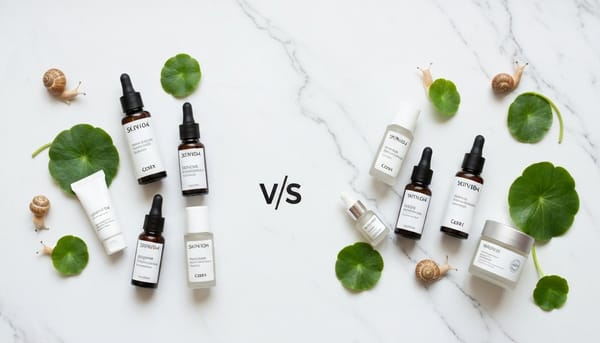
- Acne/breakouts: Tea tree or centella (try the SKIN1004 Madagascar Centella Ampoule)
- Anti-aging: Retinol or peptides (the COSRX The Retinol 0.1 Cream is a gentle entry point)
- Dehydration: Hyaluronic acid (the Torriden DIVE-IN Low Molecular Hyaluronic Acid Serum is my current obsession)
Mina’s tip: Don’t layer more than 2 serums at once. Your skin can only absorb so much, and mixing too many actives can cause irritation.
Step 7: Sheet Mask (1–2 Times Per Week)
Sheet masks are K-beauty’s signature move, and they’re one of my favorite self-care rituals. They deliver a concentrated dose of hydrating and soothing ingredients over 15–20 minutes of contact time.
The Mediheal N.M.F Intensive Hydrating Mask is my reliable standby. For brightening, the Dr. Jart+ Dermask Micro Jet Brightening Solution is worth the splurge.
Mina’s tip: Use sheet masks after your essence step. And don’t leave them on until they dry out — that actually pulls moisture away from your skin.
Step 8: Eye Cream
The skin around your eyes is the thinnest on your face, so it deserves a dedicated product. This step is optional for people in their early twenties, but I’d say start by your mid-twenties for prevention.
The Innisfree Green Tea Seed Eye Cream is hydrating and affordable. For something more targeted, the AHC Ten Revolution Real Eye Cream for Face is a Korean favorite — people literally use it as an all-over face cream too.
Step 9: Moisturizer
This step locks everything in. Even if you have oily skin, you need a moisturizer — skip this and your skin will overcompensate by producing more oil. The key is choosing the right texture.
For oily skin, go for a gel-cream like the Belif The True Cream Aqua Bomb. For dry skin, the Laneige Water Sleeping Mask used as a night cream is incredibly nourishing. For something in-between, the COSRX Oil-Free Ultra-Moisturizing Lotion (with Birch Sap) is perfectly balanced.
Mina’s tip: Apply moisturizer while your skin is still slightly damp from the previous steps. This helps seal in all that hydration.
Step 10: Sunscreen (AM Only)
I cannot stress this enough — sunscreen is the single most important step in any skincare routine. Korean sunscreens have elegant, lightweight formulas that make daily application a pleasure rather than a chore.
Korean sunscreens are in a league of their own. The Beauty of Joseon Relief Sun: Rice + Probiotics SPF 50+ is the best sunscreen I’ve ever used — zero white cast, lightweight, and it actually makes your skin look better. The COSRX Aloe Soothing Sun Cream SPF 50+ is another great option for sensitive skin.
Mina’s tip: Apply sunscreen as the last step of your skincare routine (before makeup). Use two finger-lengths worth for your face. And yes, you need to reapply every 2–3 hours if you’re outdoors.
The Beginner’s Starter Routine (5 Steps)
If ten steps feels like too much, here’s where I’d start. This is the routine I recommend to every friend who asks me about K-beauty:
- Oil Cleanser (PM) — Banila Co Clean It Zero
- Water-Based Cleanser — COSRX Low pH Good Morning Gel Cleanser
- Toner — Klairs Supple Preparation Facial Toner
- Moisturizer — Belif The True Cream Aqua Bomb or COSRX Birch Sap Lotion
- Sunscreen (AM) — Beauty of Joseon Relief Sun SPF 50+
Start here for 2–4 weeks. Let your skin adjust. Then add in an essence or serum based on your specific concerns. Building a routine is a marathon, not a sprint.
AM vs PM Routine: What Changes?
Your morning and evening routines shouldn’t be identical. Here’s how I break mine down:
Morning (5–6 steps): Water-based cleanser → Toner → Essence → Serum → Moisturizer → Sunscreen
Evening (6–8 steps): Oil cleanser → Water-based cleanser → Exfoliant (2–3x/week) → Toner → Essence → Serum → Eye cream → Moisturizer (or sleeping mask)
The key difference: oil cleansing and exfoliation happen at night, and sunscreen is morning-only. Everything else stays pretty consistent.
Common Mistakes to Avoid
After years of testing and helping friends build their routines, these are the pitfalls I see over and over:
Introducing everything at once. Please don’t buy ten products and start them all on the same day. If your skin reacts, you’ll have no idea which product caused it. Add one new product every 1–2 weeks.
Skipping sunscreen. I know I sound like a broken record, but this is non-negotiable. All those serums and essences mean nothing if UV damage is undoing your progress every day.
Using hot water. Lukewarm water only. Hot water strips your skin’s natural oils and compromises your moisture barrier.
Ignoring your skin type. Just because a product is popular doesn’t mean it’s right for you. An oily-skin person using a rich cream will break out; a dry-skin person using a mattifying moisturizer will feel tight and flaky. Know your skin first.
Expecting overnight results. Korean skincare is about consistency. Most products need 4–6 weeks of regular use before you see meaningful results. Be patient with the process.
How to Layer Products in the Right Order
The golden rule is simple: thinnest to thickest. Apply products in order of their consistency, from the most watery to the most occlusive. This ensures each layer can penetrate properly without being blocked by a heavier product on top.
If you remember nothing else from this guide, remember this order: cleanse → tone → treat → moisturize → protect.
Final Thoughts
The Korean skincare routine changed my relationship with my skin. It taught me to treat skincare as self-care rather than a chore, and to listen to what my skin actually needs instead of following trends blindly.
Start small. Be consistent. Pay attention to how your skin responds. And most importantly — enjoy the process. There’s something meditative about taking ten minutes at the end of the day to care for your skin.
If you have questions about building your routine or need specific product recommendations for your skin type, drop a comment below. I read every single one.
Mina Park is the skincare editor at The Glow Pick. She has spent over a decade researching and testing Korean beauty products, with a focus on ingredient science and routine optimization.
Korean Skincare Routine: AM vs PM Comparison
| Step | AM Routine | PM Routine | Why Different |
|---|---|---|---|
| 1. Cleanser | Water cleanser only | Oil cleanser → Water cleanser | PM needs double cleanse for sunscreen/makeup |
| 2. Toner | Hydrating toner | Hydrating or exfoliating toner | Actives (AHA/BHA) best at night |
| 3. Essence | Lightweight essence | Treatment essence | PM allows richer formulations |
| 4. Serum | Vitamin C / Niacinamide | Retinol / Peptides | Vitamin C for AM antioxidant; Retinol is photosensitive |
| 5. Eye Cream | Hydrating eye cream | Anti-aging eye cream | Richer treatments work overnight |
| 6. Moisturizer | Lightweight gel or lotion | Rich cream or sleeping mask | PM allows occlusive hydration |
| 7. Sun Protection | SPF50+ PA++++ sunscreen | Not needed | UV protection is AM-only step |
Frequently Asked Questions
How long should a full Korean skincare routine take?
A complete AM routine takes 5-7 minutes, and PM routine 10-15 minutes (including double cleansing and treatment steps). Allow 30-60 seconds between each layer for absorption. The whole process becomes faster with practice — most Korean women complete their routine in under 10 minutes.
What is the most important step in a Korean skincare routine?
Dermatologists consistently rank sunscreen as the single most important step, as UV damage causes 80% of visible skin aging. If you can only do two steps, make them sunscreen (AM) and double cleansing (PM). The third most impactful step is a serum targeting your specific skin concern.
Do I need to wait between Korean skincare steps?
You don't need to wait for most steps — apply the next product once the previous one feels absorbed (about 30 seconds). The exception is active ingredients: wait 10-20 minutes after applying vitamin C, AHA/BHA, or retinol before layering the next product to allow proper pH-dependent penetration.
Can I skip steps in the Korean skincare routine?
Absolutely. The 7-10 step routine is a framework, not a requirement. The essential steps are cleanser, moisturizer, and sunscreen. Add essence, serum, or treatments only when you have specific concerns to address. Over-layering products can actually irritate skin and compromise the moisture barrier.