Korean Skincare for Beginners: The 2026 Complete Guide
Overwhelmed by the 10-step Korean skincare routine? Don't be. This beginner's guide cuts through the noise and shows you exactly how to build a simple, effective K-beauty routine — with the best starter products for every skin type.

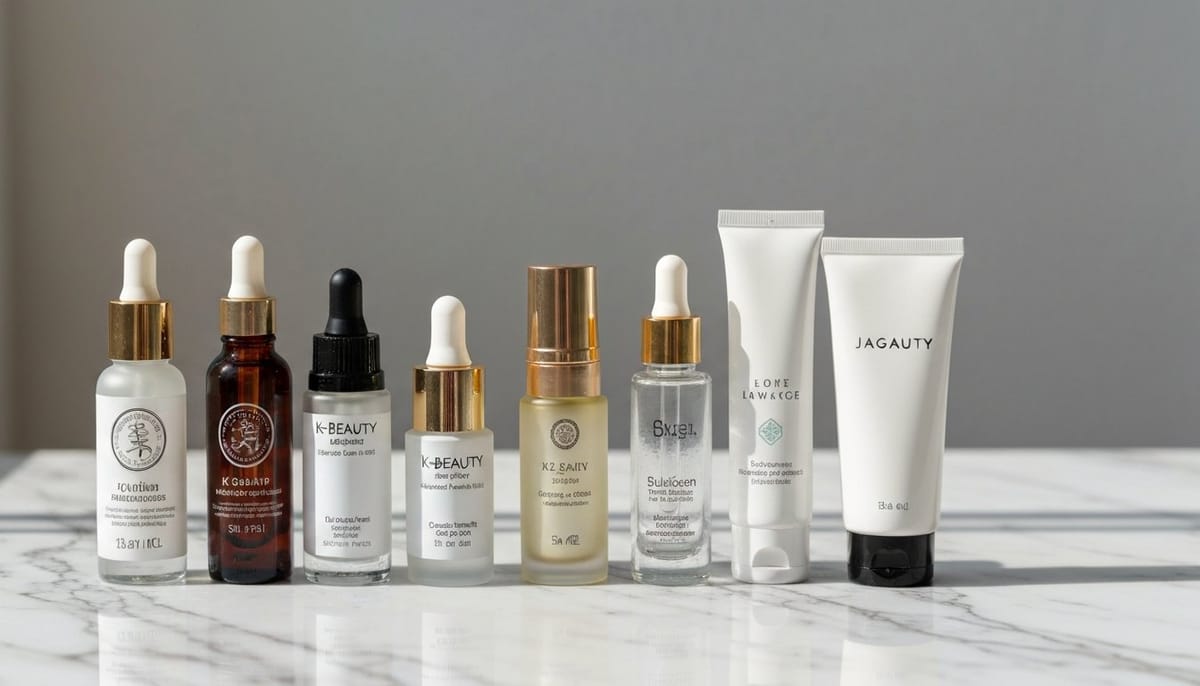
You've seen the flawless, dewy skin all over your Instagram feed. You've heard terms like glass skin, essence, and double cleansing — and you're curious. But the moment you try to research Korean skincare, you're hit with a 10-step routine that looks more like a chemistry experiment than a morning ritual.
Here's the thing: Korean skincare for beginners doesn't have to be complicated. The famous 10-step routine is more of a maximum — a menu of options — not a daily requirement. The real philosophy behind K-beauty is about consistency, gentle care, and listening to your skin. And once you understand the basics, building your routine becomes surprisingly straightforward.
In this guide, I'll walk you through everything you need to know: the K-beauty philosophy, the core steps, the best starter products, and the common mistakes that trip up most beginners. Let's dive in.
What Makes Korean Skincare Different?
Before we get into products and steps, it helps to understand why K-beauty works. Korean skincare is built on a fundamentally different philosophy than Western beauty routines, and that shift in mindset is half the battle.
Prevention Over Correction
Western skincare tends to be reactive — we treat breakouts when they appear, address wrinkles once they're set in. Korean skincare flips that model. The goal is to maintain healthy skin consistently, so damage never gets a foothold in the first place. That's why you'll see SPF used every single day, not just at the beach, and why hydration is treated like a non-negotiable foundation.
Layering, Not Loading
Instead of one heavy-duty cream that tries to do everything, K-beauty uses multiple lightweight layers. Each product has a specific job, and together they work synergistically. A toner preps skin to absorb what comes next. An essence boosts hydration. A serum targets specific concerns. A moisturizer seals everything in. This layering approach lets you customize your routine precisely — and it's why even sensitive skin types tend to do well with K-beauty.
The Long Game
Korean skincare is not about overnight miracles. It's about the cumulative effect of daily, gentle care. Most skincare experts recommend giving a new routine at least 4–6 weeks before expecting visible changes. That patience pays off in the form of genuinely healthier skin — not just surface-level coverage.
The Core Korean Skincare Routine for Beginners
Here's the good news: you don't need 10 steps to start. A solid beginner K-beauty routine can be as simple as 4–5 steps, and you can add more as you get comfortable. Here's the foundation.
Step 1: Double Cleanse (PM Only)
The double cleanse is K-beauty's most iconic contribution to skincare. The idea is simple: use an oil-based cleanser first to dissolve makeup, sunscreen, and excess sebum, then follow with a water-based cleanser to remove any remaining impurities and sweat.
Why two cleansers? Because oil and water don't mix — literally. Sunscreen and makeup are oil-soluble, so a water-based cleanser alone can't fully remove them, leading to clogged pores and dullness. The double cleanse ensures your skin is genuinely clean before you apply your treatments.
Oil cleanser picks for beginners: DHC Deep Cleansing Oil (Amazon) or the Heimish All Clean Balm (Amazon) — both are gentle, effective, and work on all skin types.
In the morning, a single gentle water-based cleanser is usually enough since you haven't worn SPF or makeup overnight.
For a deeper dive into cleanser options, check out our roundup of the 10 best Korean cleansers for every skin type.
Step 2: Toner
Korean toners are nothing like the astringent toners of Western skincare lore. They're not here to strip your skin — they're here to hydrate it and restore your skin's natural pH after cleansing, so it's primed to absorb everything that comes next.
Look for toners containing ingredients like hyaluronic acid, glycerin, or aloe vera. The classic method is to apply toner by patting it gently into your skin with your palms — no cotton pad needed. This technique, called the "7-skin method" in Korea, involves applying multiple thin layers of toner for a deep hydration boost.
Beginner pick: Pyunkang Yul Essence Toner — a cult favorite that's hydrating, minimal, and suitable for even the most sensitive skin.
Step 3: Essence
The essence is uniquely K-beauty. It sits between a toner and a serum in terms of texture and function — thinner than a serum but more targeted than a toner. Essences are typically packed with active ingredients like niacinamide, fermented extracts, or snail mucin, and they work to improve skin texture and radiance over time.
If you're just starting out, an essence is the one "extra" step that delivers outsized results. Think of it as the engine of your routine.
Beginner picks:
- COSRX Advanced Snail 96 Mucin Power Essence — lightweight, deeply hydrating, and great for repairing the skin barrier. See our full COSRX Snail Mucin review for the details.
- Missha Time Revolution The First Treatment Essence — a fermented essence that brightens and refines skin texture.
To understand the science behind snail mucin, read our full breakdown: Snail Mucin in Skincare: Benefits & Best Products.
Step 4: Moisturizer
Every skin type needs moisture — yes, even oily skin. Skipping moisturizer leads to dehydration, which can actually trigger your skin to produce more oil to compensate. Korean moisturizers tend to be lighter and more easily absorbed than Western counterparts, which makes them suitable for layering.
For dry skin, look for a richer cream with ceramides or shea butter. For oily or combination skin, a gel-cream or water-gel formula will hydrate without feeling heavy. For sensitive skin, look for fragrance-free options with soothing ingredients like centella asiatica.
Beginner picks: The Belif The True Cream Moisturizing Bomb for normal to dry skin, or the COSRX Oil-Free Ultra Moisturizing Lotion for oily skin types.
See our full list of the 12 best Korean moisturizers for more options across all skin types.
Step 5: Sunscreen (AM Only)
If there's one non-negotiable in K-beauty, it's this: SPF every single day. Sun damage is the number one driver of premature aging, hyperpigmentation, and loss of skin elasticity — and no serum in the world can fully undo it.
Korean sunscreens have a well-earned reputation for being some of the best in the world. They tend to be lightweight, cosmetically elegant, and free of the white cast that plagues many Western formulas. Look for SPF 50+ PA++++ for maximum protection.
Beginner pick: The Beauty of Joseon Relief Sun: Rice + Probiotics SPF50+ PA++++ is a community favorite — it's dewy, non-greasy, and works beautifully as a makeup base.
For a full breakdown of the best options, read our guide to the 15 best Korean sunscreens for every skin type.
Your Beginner K-Beauty Routine at a Glance
Morning routine:
- Gentle water-based cleanser
- Toner
- Essence
- Moisturizer
- Sunscreen SPF 50+
Evening routine:
- Oil cleanser
- Water-based cleanser
- Toner
- Essence
- Moisturizer (can be richer than your AM formula)
That's it. Five steps in the morning, five at night. You can always add a serum or sheet mask as you progress, but this foundation covers all the essentials.
Key K-Beauty Ingredients for Beginners to Know
Korean skincare gets results largely because of smart ingredient choices. Here are the beginner-friendly ingredients worth knowing:
Hyaluronic Acid
A humectant that can hold up to 1,000 times its weight in water. It draws moisture into the skin and is suitable for all skin types. You'll find it in toners, essences, and serums.
Niacinamide (Vitamin B3)
One of the most versatile skincare ingredients out there. Niacinamide brightens the skin, minimizes pores, reduces redness, and helps regulate sebum production. It's a fantastic entry point into actives for beginners. Read more in our detailed niacinamide in Korean skincare guide.
Centella Asiatica (Cica)
A medicinal herb that's beloved in K-beauty for its calming, wound-healing properties. If you have sensitive, irritated, or acne-prone skin, look for products featuring centella asiatica as a hero ingredient. Learn more in our centella asiatica guide.
Ceramides
Lipid molecules that form the building blocks of the skin barrier. Using ceramide-rich products helps repair and maintain a healthy barrier — which means less sensitivity, less moisture loss, and more resilience against environmental stressors.
Common Beginner Mistakes (And How to Avoid Them)
Starting a new skincare routine comes with a learning curve. Here are the mistakes I see beginners make most often — and how to sidestep them.
Introducing Too Many Products at Once
It's tempting to dive headfirst into a full haul, but doing so makes it impossible to identify what's working — or what's causing a reaction. Introduce one new product every 1–2 weeks. That way, if your skin reacts, you'll know exactly why.
Skipping the Patch Test
Always patch test a new product on the inner arm or behind the ear for 24–48 hours before applying it to your face. This is especially important for actives like AHAs, BHAs, and retinol.
Over-Exfoliating
More scrubbing does not mean better skin. Over-exfoliation strips the skin barrier, leading to redness, sensitivity, and breakouts. If you want to incorporate a chemical exfoliant (AHA or BHA), start with once a week and build up slowly.
Not Wearing SPF Daily
I'll say it again: sunscreen is not optional. Even on cloudy days, UV rays penetrate clouds and windows. Make SPF the last step in your morning routine, every morning, without exception.
Expecting Instant Results
Give your skin time. Most active ingredients — niacinamide, vitamin C, retinol — need consistent use over 4–12 weeks to show visible results. Trust the process.
How to Build Your K-Beauty Routine on a Budget
You don't need to spend a fortune to get started with Korean skincare. Many of the best-performing K-beauty products are surprisingly affordable. Brands like COSRX, Pyunkang Yul, and Some By Mi have built dedicated followings specifically because they deliver dermatologist-grade ingredients at drugstore prices.
A solid beginner routine — oil cleanser, water-based cleanser, toner, essence, moisturizer, and SPF — can cost as little as $50–$80 if you shop strategically. Look for products on Amazon (many ship fast and carry authentic stock), or try retailers like YesStyle, Stylevana, or Olive Young for a wider Korean selection.
For our top picks across every category and budget, see the full best Korean skincare products of 2026 guide.
Conclusion
Korean skincare for beginners is really about one thing: building a consistent, gentle routine that works with your skin rather than against it. You don't need 10 steps, a $500 budget, or a chemistry degree. You need a good cleanser, a toner, an essence, a moisturizer, and SPF. Do that consistently, pay attention to how your skin responds, and add products gradually as you learn what it loves.
The K-beauty journey is a long one — and honestly, that's what makes it so rewarding. Your skin at six months will thank the version of you that started today. Ready to build your routine? Start with our editor-tested picks for 2026 and go from there.
Korean Skincare Routine Steps: Quick Guide
| Step | Product Type | Purpose | When to Use | Beginner Pick | Price |
|---|---|---|---|---|---|
| 1 | Oil Cleanser | Remove makeup + sunscreen | PM only | Banila Co Clean It Zero | $17 |
| 2 | Water Cleanser | Remove remaining impurities | AM + PM | COSRX Low pH Good Morning | $10 |
| 3 | Toner | Hydrate + prep skin | AM + PM | Klairs Supple Preparation | $22 |
| 4 | Serum/Essence | Target specific concerns | AM + PM | COSRX Snail 96 Mucin | $13 |
| 5 | Moisturizer | Lock in hydration | AM + PM | COSRX Oil-Free Birch Lotion | $16 |
| 6 | Sunscreen | UV protection (SPF50+) | AM only | Beauty of Joseon Relief Sun | $14 |
Frequently Asked Questions
Do I really need a 10-step Korean skincare routine?
No. Most dermatologists agree that a 3-5 step routine (cleanser, moisturizer, sunscreen + optional serum and toner) is sufficient for most people. The "10-step routine" is a marketing concept — start simple and add products only when you identify specific skin concerns that need addressing.
What order should I apply Korean skincare products?
Follow the "thinnest to thickest" rule: cleanser → toner → essence → serum → ampoule → moisturizer → sunscreen (AM) or sleeping mask (PM). Water-based products go before oil-based. This layering method ensures each product penetrates effectively without pilling.
How long does it take to see results from Korean skincare?
Skin cell turnover takes approximately 28 days, so allow at least 4-6 weeks to evaluate a new routine. Hydration improvements appear within days, but concerns like hyperpigmentation, fine lines, or acne scarring typically require 8-12 weeks of consistent use for visible improvement.
Can I mix Korean and Western skincare products?
Absolutely. The key is ingredient compatibility, not brand origin. Many people combine Korean essences and serums with Western actives like prescription retinoids or vitamin C. Just follow the same layering rules (thin to thick, water before oil) and introduce new products one at a time to monitor reactions.