Korean Pimple Patches Celebrities Like Justin Bieber Wear (2026)
From COSRX to microneedle dots, the Korean pimple patches Justin Bieber, Bella Hadid, and other celebrities actually wear — tested and ranked by skin type and acne stage.

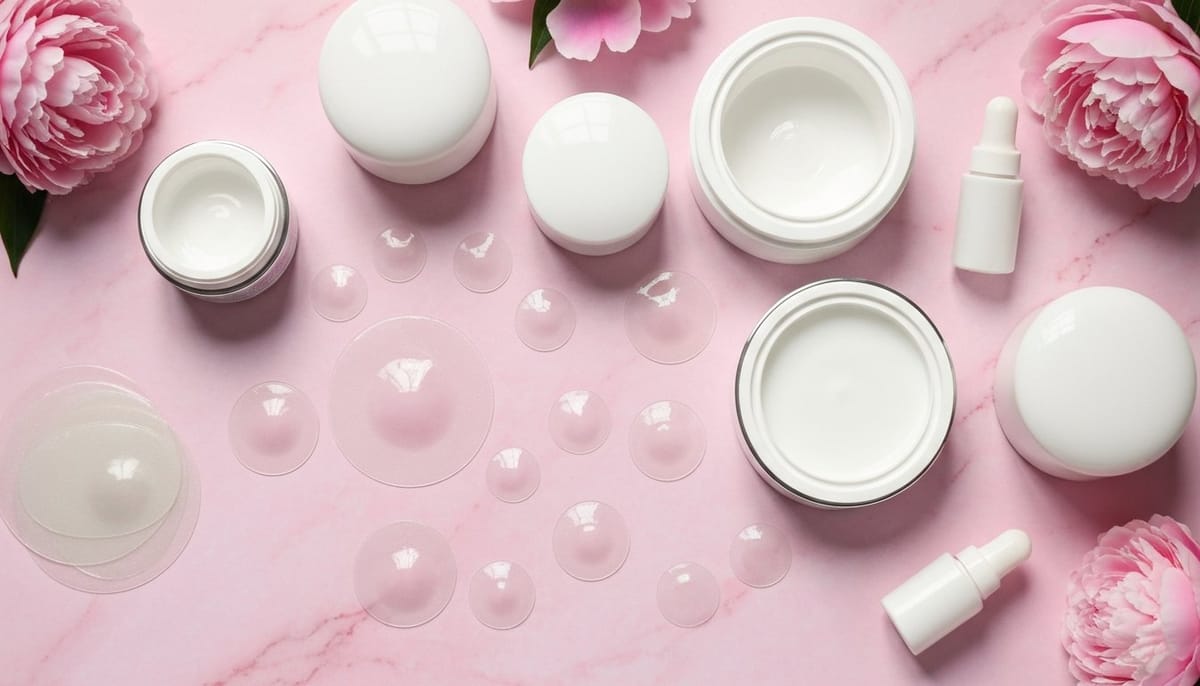
Korean pimple patches? Yes — the tiny translucent dots Justin Bieber, Bella Hadid, and Florence Pugh have been photographed wearing in public are a decades-old K-beauty staple, and COSRX Acne Pimple Master Patch is still the one most Korean dermatologists recommend first. I've been testing hydrocolloid and microneedle patches from Seoul pharmacies and Olive Young for the better part of three years, and celebrity endorsement aside, the science is real: hydrocolloid pulls fluid out of a whitehead overnight, flattens inflammation, and keeps your fingers off your face.
In this guide I'll walk you through exactly which Korean pimple patches celebrities wear, what separates a $4 sheet of dots from a $25 microneedle patch, and how to pick the right one for the kind of breakout you're staring at in the mirror right now. By Mina Park, Editor in Chief.
Why Celebrities Wear Korean Pimple Patches in Public
The pimple-patch-as-fashion-statement moment started in 2019 when Justin Bieber wore a hydrocolloid dot on his forehead on the cover of a magazine shoot, and paparazzi have caught him and Hailey Bieber wearing them grocery shopping ever since. Florence Pugh, Lili Reinhart, and Bella Hadid have all followed suit. What most fans don't realize: almost every one of these patches traces back to Korean drugstores, where hydrocolloid acne dots have been standard skincare since the early 2000s.
Hydrocolloid is the same wound-healing material used in blister bandages. When you stick one on a whitehead, it creates a moist seal that absorbs the pus and bacteria while shielding the spot from your fingers, pillowcase, and makeup. Most dermatologists consider hydrocolloid patches non-comedogenic, fragrance-free, and safe for sensitive skin — which is why celebrities with demanding on-camera schedules rely on them the night before a shoot.
Hydrocolloid vs. Microneedle — What's the Difference?
There are two Korean patch technologies you'll see on Olive Young shelves. Hydrocolloid patches are the classic flat dots — best for whiteheads that have already come to a head. They work by absorption, flattening the spot in 6 to 8 hours. Microneedle patches are newer: the patch contains hundreds of dissolvable needles made of hyaluronic acid and actives like salicylic acid or tea tree, which sink into the skin and target deeper cystic bumps that haven't surfaced yet. Celebrities reportedly reach for microneedle patches the night before a red carpet when they feel a pimple coming on but nothing is visible yet.
The Best Korean Pimple Patches at a Glance
| Product | Patch Type | Best For | Price |
|---|---|---|---|
| COSRX Acne Pimple Master Patch | Hydrocolloid | Whiteheads, all skin types | $5–7 |
| COSRX AC Collection Acne Patch | Hydrocolloid + tea tree | Oily, acne-prone skin | $8–10 |
| Some By Mi 30 Days Miracle Clear Spot Patch | Hydrocolloid + AHA/BHA | Active breakouts, sensitive | $8–12 |
| Olive Young Wonder Patch | Hydrocolloid | Everyday use, budget | $4–6 |
| ACROPASS Trouble Cure | Microneedle (hyaluronic) | Deep cystic bumps | $15–18 |
| Mediheal Phyto-Enzyme Patch | Hydrocolloid + enzyme | Dry, sensitive skin | $10–14 |
| Avarelle Acne Cover Patch | Hydrocolloid + tea tree | Travel, sensitive types | $7–9 |
1. COSRX Acne Pimple Master Patch — The Original Celebrity Favorite
If you've seen a celebrity wearing a small translucent dot in a candid photo, it was statistically most likely a COSRX. These are the patches that started the global hydrocolloid acne craze — a single sheet contains 24 dots in three sizes (7, 10, and 12 mm), and COSRX has sold over 100 million sheets worldwide since 2014. I keep a sheet in every bag I own. You stick a dot on a whitehead before bed, and by morning it's flattened and the dot itself has turned milky white from absorbing fluid.
What makes these the gold standard is the simplicity: no actives, no fragrance, no irritants. Just 100% hydrocolloid. That's what makes them safe enough for sensitive skin and low-risk even if you're already using retinol or AHA/BHA elsewhere in your routine. Check COSRX Pimple Master Patch on Amazon.
2. COSRX AC Collection Acne Patch — For Oily, Breakout-Prone Skin
If COSRX's original is the universal pick, the AC Collection version is the upgrade for people whose skin skews oilier and breaks out regularly. It's hydrocolloid with a thin layer of tea tree extract on the adhesive side. The tea tree helps with the bacterial component — Cutibacterium acnes — that drives inflammatory pimples, so you get the absorption benefit of hydrocolloid plus mild antimicrobial action. I'd recommend this only if your skin tolerates tea tree; it's a known allergen for some.
3. Some By Mi 30 Days Miracle Clear Spot Patch
Some By Mi built its brand on the AHA-BHA-PHA 30 Days Miracle Toner, and their Clear Spot Patch brings the same low-dose exfoliating acids to a hydrocolloid format. Each patch contains trace amounts of salicylic acid and lactic acid, so it's doing a little gentle exfoliation around the pimple while absorbing fluid from it. These are the ones I reach for when I feel a spot coming on and I want something a bit more active than pure hydrocolloid without jumping straight to a microneedle patch.
4. Olive Young Wonder Patch — The Everyday Korean Drugstore Pick
Walk into any Olive Young in Seoul and you'll see stacks of these near the register. Wonder Patch is Olive Young's in-house brand, and at around $4 a sheet they're the cheapest quality hydrocolloid patches you can get. Performance is nearly identical to COSRX Original in my testing — the main differences are thinner material and slightly weaker adhesive. For everyday breakouts where you're changing patches every 6–8 hours, these are perfect. It's what most Korean teenagers actually use.
5. ACROPASS Trouble Cure — The Microneedle Red-Carpet Patch
ACROPASS is the Korean microneedle brand celebrities use when nothing has come to a head yet and they need it gone by tomorrow. Each patch has roughly 400 tiny dissolvable needles made of hyaluronic acid, niacinamide, and oligopeptides that sink maybe 0.2 mm into the skin — painless, I promise — and deliver actives directly into a deep cystic bump. You wear it overnight. The first time I tried one on a painful jawline cyst, the bump was noticeably smaller in the morning. Not a miracle, but the closest thing to one in a patch. These are pricier at around $15–18 for four patches, but worth it for the right breakout.
6. Mediheal Phyto-Enzyme Patch — For Sensitive, Dry Skin
Mediheal is best known for their sheet masks, but their enzyme pimple patches are one of the most underrated Korean acne products. The hydrocolloid is blended with a mild papaya enzyme that helps dissolve the dead skin cap on top of a clogged pore, so the patch can absorb the underlying gunk more effectively. If your skin is dry or sensitive and stings easily from salicylic acid, this is the gentler active-patch option I'd recommend over Some By Mi.
7. Avarelle Acne Cover Patch — Travel-Friendly and Sensitive Skin Safe
Avarelle is a Korean-inspired brand that blew up on TikTok after being featured in American dermatologist videos. Each patch combines hydrocolloid with tea tree oil, calendula, and Centella asiatica — a trio of calming, antimicrobial ingredients. They come individually packaged in flat, travel-friendly foil strips, which makes them my top recommendation for anyone who wants to throw a few in a wallet or carry-on without crumpling a whole sheet.
What Makes Korean Pimple Patches Different From American Brands?
The hydrocolloid material is basically the same across every brand worldwide — it was invented as a wound-healing dressing in the 1960s. What sets Korean patches apart is three things. First, thinner profile: Korean brands engineer their patches to be almost invisible under makeup or in daylight, because Korean consumers actually wear them in public. Second, multi-size sheets: COSRX pioneered the three-size format so you can match the patch to the pimple, which is now standard across K-beauty. Third, lower price: a sheet of 24 COSRX patches in Seoul costs under $4, while equivalent American brands often charge double for fewer dots.
If you're looking to build out a full anti-acne routine, the patches are just one piece. Our guides to the best Korean cleansers and Korean skincare for oily and acne-prone skin pair well with any of the patches above.
How to Actually Use a Pimple Patch (Most People Get This Wrong)
The biggest mistake I see is applying a patch to a red bump that hasn't come to a head yet. Hydrocolloid works by absorbing fluid — if there's nothing at the surface to absorb, the patch has nothing to do. For early-stage red or cystic bumps, you need a microneedle patch like ACROPASS instead. For whiteheads, apply to freshly cleansed skin with no moisturizer or serum underneath (the adhesive won't stick through a film of product). Leave on 6 to 8 hours minimum, and don't peel early.
Frequently Asked Questions
Can I wear a Korean pimple patch under makeup?
Yes, and many celebrities do — this is part of why Korean brands design their patches to be nearly invisible. Apply the patch to clean skin first, let it settle for a minute, then apply foundation over and around it with a damp sponge in gentle patting motions. Avoid rubbing. Thinner hydrocolloid patches like Olive Young Wonder Patch disappear best under coverage. Microneedle patches are not designed for makeup wear — use those overnight only.
Are Korean pimple patches safe for sensitive skin?
Pure hydrocolloid patches like COSRX Original and Olive Young Wonder Patch are some of the safest acne products on the market for sensitive skin because they contain no actives, fragrance, or preservatives — just medical-grade hydrocolloid. If your skin reacts to tea tree or salicylic acid, stay away from active versions like COSRX AC Collection or Some By Mi. Mediheal's enzyme patch is a good middle-ground for sensitive types who still want a mildly active option.
How long do you leave a pimple patch on?
Six to eight hours minimum, or overnight. You'll know the patch has worked when it turns cloudy white or opaque — that's the hydrocolloid absorbing fluid from the pimple. Don't peel it off early, and don't re-use a used patch. For daytime use, you can wear a fresh patch for up to 12 hours, but swap it out if it starts to lift at the edges.
What's the best Korean pimple patch under $10?
COSRX Acne Pimple Master Patch at around $5–7 for a sheet of 24 dots is the best value-to-performance pick. If you're on a tighter budget, Olive Young Wonder Patch at $4 performs nearly identically but can be harder to find outside Korea. Some By Mi Clear Spot Patch hovers around $8–10 and adds a mild AHA/BHA exfoliating component for active breakouts.
Do pimple patches work on cystic acne?
Regular hydrocolloid patches do not — cystic acne lives deep in the skin where there's no fluid at the surface for the patch to absorb. For cysts, use a microneedle patch like ACROPASS Trouble Cure, which delivers active ingredients several layers deeper. Even then, microneedle patches are best for early-stage cysts you feel forming under the skin; fully developed cysts usually need a dermatologist visit and possibly a cortisone shot.
The Bottom Line
If you only buy one Korean pimple patch in 2026, make it COSRX Acne Pimple Master Patch — it's what the celebrities wear, what Korean dermatologists recommend first, and what will flatten a surface whitehead overnight for about 20 cents per dot. Layer in ACROPASS microneedle patches for the occasional deep cystic bump, and keep a few Avarelle patches in your bag for emergencies. Three products, most breakouts handled, no prescription needed.
By Mina Park