K-Beauty Trends 2026: 8 Ingredients and Innovations Reshaping Skincare
From probiotic essences to barrier-first formulas and AI skin analysis, these are the K-beauty trends defining 2026. Here are the innovations worth paying attention to — and the products to try.

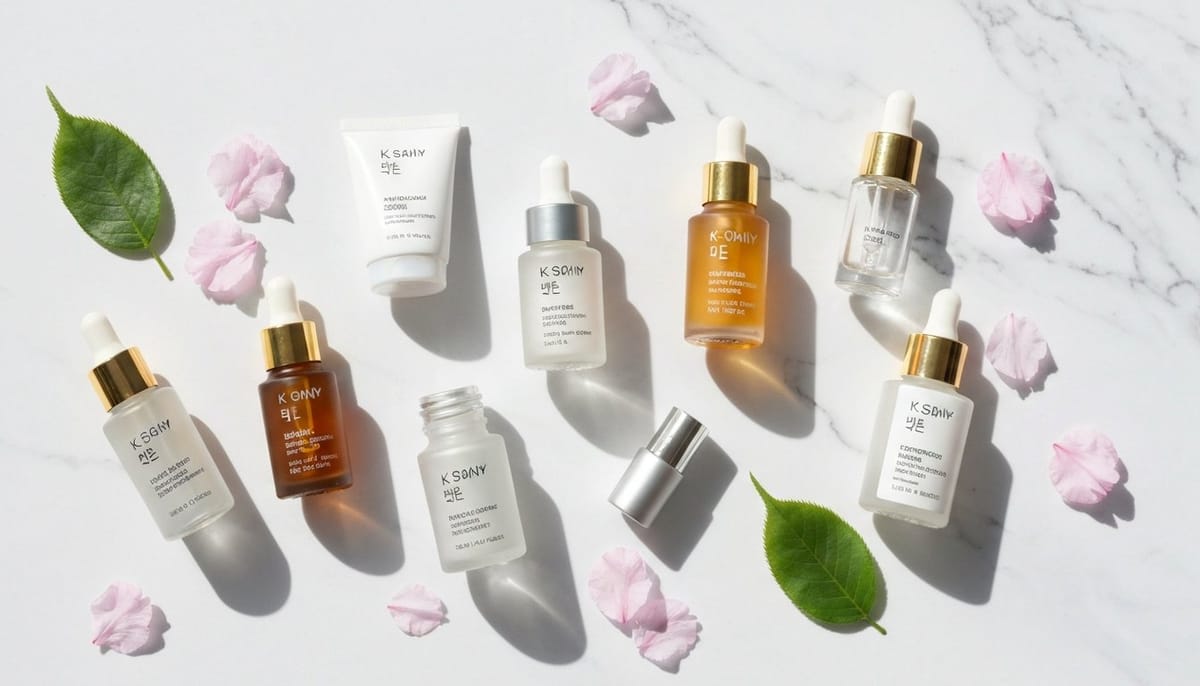
What are the biggest K-beauty trends in 2026? Probiotic-powered essences, barrier-repair formulas with ceramide complexes, and ultra-lightweight SPF innovations are leading the way — and they're changing how we think about skincare routines entirely. I've been tracking Seoul's beauty scene for years, and this year's shifts are some of the most exciting I've seen.
Korean beauty has always been ahead of the global curve, introducing ingredients and techniques that eventually go mainstream worldwide. In 2026, the focus has moved decisively toward science-backed, skin-barrier-first formulations — less about 10-step routines and more about intentional, effective products that do more with fewer steps. Let me walk you through the eight trends that matter most this year, with specific product recommendations for each.
What Makes K-Beauty Trends in 2026 Different from Previous Years?
If you've been following Korean skincare for a while, you'll notice a philosophical shift this year. The era of elaborate multi-step routines is giving way to what Korean beauty insiders call "skip-care" — a streamlined approach where every product earns its place. This isn't minimalism for the sake of it. Korean formulators have gotten so good at multi-functional ingredients that a single essence can now deliver what three or four products did in 2020.
The other major shift is transparency. Korean consumers in 2026 demand full ingredient breakdowns, clinical trial data, and EWG-verified safety ratings. Brands like SKIN1004 and COSRX now publish clinical study results directly on their packaging. This evidence-first approach is reshaping the entire industry.
1. Probiotic and Postbiotic Skincare Takes Center Stage
The biggest ingredient trend of 2026 is undoubtedly the rise of probiotic and postbiotic formulations. Korean labs have pioneered fermentation technology in skincare for decades — think SK-II's Pitera or Missha's First Treatment Essence. But this year, the science has evolved significantly. We're seeing targeted postbiotic complexes — specifically lactobacillus ferment lysate and bifida ferment filtrate — formulated at clinically effective concentrations.
A 2025 dermatological study published in the Journal of Cosmetic Dermatology showed that topical postbiotics improved skin barrier function by 34% over 8 weeks compared to controls. Korean brands have jumped on this data. The COSRX Full Fit Propolis Light Ampoule (containing 73.5% black bee propolis extract) is one of the most accessible entry points into probiotic skincare. For something more advanced, the Beauty of Joseon Glow Deep Serum with rice bran and arbutin combines fermented rice extracts with brightening actives.
Why Postbiotics Beat Probiotics for Skin
Here's an important distinction most articles miss: live probiotics (the kind in yogurt) are unstable in skincare formulations. What actually works topically are postbiotics — the metabolic byproducts of bacterial fermentation. These include lactic acid, peptides, and short-chain fatty acids that strengthen the skin barrier without the stability issues of live cultures. Korean formulators understood this early, which is why K-beauty fermented essences have always outperformed Western probiotic skincare attempts.
2. Barrier-First Formulations with Advanced Ceramide Complexes
The "skin barrier" conversation has been building for several years, but 2026 is the year it became the default philosophy in Korean skincare. Nearly every major Korean launch this year includes some form of ceramide complex, and the formulations are getting more sophisticated. Instead of a single ceramide type, brands are now using ceramide ratios that mimic the skin's natural lipid composition — typically a 3:1:1 ratio of ceramides, cholesterol, and fatty acids.
The Dr. Jart+ Ceramidin Cream remains the gold standard here, with its 5-Cera Complex delivering ceramide NP, AP, and EOP alongside panthenol. For a budget-friendly alternative, the ILLIYOON Ceramide Ato Concentrate Cream uses a patented ceramide capsule technology that releases ceramides gradually over 24 hours — clinically tested on sensitive and eczema-prone skin. I've been using the ILLIYOON every night for six weeks now, and my skin's moisture retention has noticeably improved, even in dry indoor heating conditions.
3. Next-Generation Sunscreen Innovation
Korean sunscreen technology in 2026 has reached a level that Western brands still can't match. The two biggest innovations this year are photostable organic UV filter combinations that maintain SPF integrity for 80+ minutes of direct sun exposure, and skincare-hybrid formulas that function as serums, moisturizers, and sun protection in one step.
The Beauty of Joseon Relief Sun Rice + Probiotics SPF50+ PA++++ exemplifies this trend perfectly — it contains rice bran extract and grain ferment filtrate alongside broad-spectrum UV protection, with a weightless finish that works beautifully under makeup. Another standout is the SKIN1004 Madagascar Centella Hyalu-Cica Water-Fit Sun Serum SPF50+, which combines centella asiatica with hyaluronic acid in a water-light serum texture. Both are fragrance-free and non-comedogenic.
If you want a deeper look at Korean sunscreen options, check out our comprehensive guide to the best Korean sunscreens.
The Move Away from Mineral-Only Sunscreens
Interestingly, Korean consumers are moving away from mineral-only (zinc oxide/titanium dioxide) sunscreens in 2026. The reason is purely practical: newer organic UV filters like Tinosorb S and Uvinul A Plus offer superior UVA protection without the white cast that makes mineral sunscreens challenging for deeper skin tones. Korean formulators are combining these with centella asiatica and madecassoside to counteract any potential irritation — a smart, science-forward approach.
4. Centella Asiatica Evolution: Beyond Basic Cica
Centella asiatica isn't new — it's been a K-beauty staple for years. But the way Korean brands use it in 2026 has evolved dramatically. Instead of basic centella extracts, we're now seeing standardized madecassoside and asiaticoside concentrations at dermatologist-recommended levels (typically 0.1-1% madecassoside). This precision dosing approach means more consistent results.
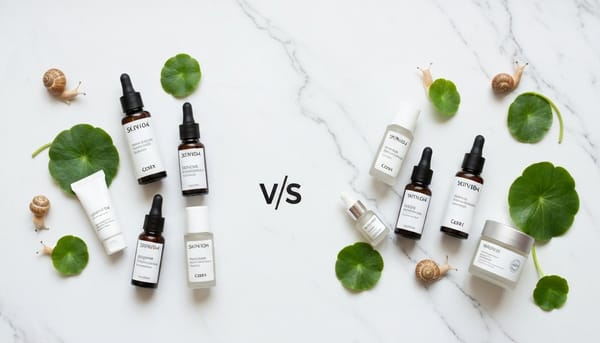
SKIN1004 leads this evolution with their Madagascar Centella line, using centella grown in Madagascar's high-altitude regions where the active compound concentration is highest. The SKIN1004 Madagascar Centella Ampoule delivers 100% centella asiatica extract — no water, no fillers — making it one of the most concentrated cica products available. For a gentler option, the Purito Centella Green Level Unscented Sun SPF50+ combines centella with sun protection for daily wear.
We've covered centella in depth in our complete Centella Asiatica guide if you want the full ingredient breakdown.
5. Rice and Fermented Grain Ingredients Surge
Rice water has been a Korean beauty secret for centuries, but 2026 has brought a surge in sophisticated rice-based formulations. Modern K-beauty brands are using fermented rice filtrate (sake-like extracts) that contain naturally occurring AHAs, amino acids, and antioxidants. The fermentation process increases the bioavailability of these compounds, making them more effective than raw rice extract.
The Beauty of Joseon Glow Serum: Propolis + Niacinamide is a standout, combining propolis with niacinamide for a brightening effect. The brand's entire Dynasty Cream line — inspired by historical Korean beauty rituals — uses fermented rice and ginseng to target hyperpigmentation and dullness. I particularly love how these rice-based products deliver visible brightening within 2-3 weeks without the irritation potential of high-percentage vitamin C serums.
6. Snail Mucin Gets a Science Upgrade
Snail mucin remains one of K-beauty's most iconic (and controversial) ingredients, but the formulations in 2026 are genuinely different from earlier versions. The key advancement is purified snail secretion filtrate at standardized concentrations, combined with complementary actives like 4% niacinamide or low-molecular-weight hyaluronic acid.
The COSRX Advanced Snail 96 Mucin Power Essence (96% snail secretion filtrate, pH 5.5) remains the category benchmark — dermatologist-recommended and clinically tested for hydration improvement of up to 85% over 24 hours. For a deeper dive, our snail mucin benefits and products guide covers everything you need to know.
The newer trend is pairing snail mucin with peptides. COSRX's Snail Peptide Eye Cream combines snail filtrate with five types of peptides for the delicate eye area — a formula that addresses both hydration and fine lines simultaneously.
7. AI-Powered Skin Analysis and Personalization
This is perhaps the most forward-looking K-beauty trend of 2026. Korean beauty tech companies are integrating AI skin analysis into the shopping experience. Brands like AmorePacific and LG's beauty division now offer in-store and app-based skin scanners that analyze your skin's moisture levels, sebum production, pore size, pigmentation patterns, and sensitivity markers — then recommend personalized routines.
While the technology itself isn't something you can buy in a bottle, it's influencing product development. We're seeing more "adaptogenic" formulations designed to respond to individual skin conditions. Products with centella, mugwort, and panthenol are being formulated at varying concentrations for different skin profiles, rather than the one-size-fits-all approach of previous years.
For building your own personalized routine, our best Korean skincare products guide breaks down recommendations by skin type and concern.
8. Sustainable and Clean Beauty Goes Mainstream in Korea
Eco-conscious beauty isn't new globally, but 2026 marks the tipping point in Korea. Major brands are switching to PCR (post-consumer recycled) packaging, and the Korean FDA equivalent (MFDS) has tightened regulations around "clean" marketing claims. This means Korean "clean beauty" products must now meet specific criteria — no vague greenwashing allowed.
Brands like Innisfree (using Jeju volcanic ingredients with fully recyclable packaging), Beplain (EWG-verified formulations), and ROUND LAB (Dokdo mineral water-based products in simplified packaging) are leading this charge. The ROUND LAB Dokdo Lotion is a great example — mineral-rich deep sea water from Korea's Dokdo region, fragrance-free formula, in fully recyclable packaging.
K-Beauty Trends 2026: Product Comparison Table
| Trend | Top Product Pick | Key Ingredient | Best For | Price Range |
|---|---|---|---|---|
| Probiotic Skincare | COSRX Full Fit Propolis Light Ampoule | 73.5% Black Bee Propolis | Dull, dehydrated skin | $18–$24 |
| Barrier Repair | ILLIYOON Ceramide Ato Concentrate Cream | Ceramide Capsules | Sensitive, eczema-prone skin | $16–$22 |
| SPF Innovation | Beauty of Joseon Relief Sun SPF50+ | Rice Bran + Probiotics | All skin types, daily wear | $14–$18 |
| Advanced Cica | SKIN1004 Madagascar Centella Ampoule | 100% Centella Extract | Irritated, redness-prone skin | $18–$25 |
| Rice Ferment | Beauty of Joseon Glow Serum | Propolis + Niacinamide | Hyperpigmentation, dullness | $12–$17 |
| Snail Mucin 2.0 | COSRX Advanced Snail 96 Mucin Essence | 96% Snail Secretion Filtrate | Dry, aging skin | $15–$22 |
| AI Personalization | AmorePacific Skin Scanner (in-store) | AI Analysis Technology | Custom routine building | Free (in-store) |
| Sustainable Beauty | ROUND LAB Dokdo Lotion | Dokdo Deep Sea Water | Normal to combination skin | $16–$20 |
Frequently Asked Questions
What is the biggest K-beauty trend in 2026?
The single biggest K-beauty trend in 2026 is the shift toward barrier-first, science-backed skincare. Probiotic and postbiotic formulations lead the charge, with brands using clinically tested concentrations of lactobacillus ferment lysate and bifida ferment filtrate. This reflects Korean consumers' growing demand for evidence-based products over marketing-driven trends. The emphasis on skin barrier health — using ceramide complexes, centella asiatica, and fermented ingredients — has become the foundational philosophy across nearly every major Korean skincare brand.
Are 10-step Korean skincare routines still popular in 2026?
The 10-step routine has largely been replaced by "skip-care" — a streamlined 3-5 step approach where each product is multi-functional. Korean consumers now prioritize quality over quantity, using fewer products with higher concentrations of active ingredients. A typical 2026 K-beauty routine might include a gentle cleanser, a treatment essence (with postbiotics or fermented ingredients), a targeted serum, a ceramide moisturizer, and an SPF. The industry recognizes that overloading skin with too many products can actually damage the barrier.
Is snail mucin still worth using in 2026?
Absolutely — but the formulations have improved significantly. The COSRX Advanced Snail 96 Mucin Power Essence remains dermatologist-recommended, and newer snail mucin products combine the filtrate with complementary actives like peptides and low-molecular-weight hyaluronic acid. Clinical data shows snail secretion filtrate at 96% concentration can improve skin hydration by up to 85% over 24 hours. The key is choosing products with standardized, purified concentrations from reputable Korean brands rather than generic snail creams.
What K-beauty ingredients should I watch for in 2026?
The ingredients generating the most clinical interest in 2026 are postbiotics (especially lactobacillus ferment lysate), standardized madecassoside (from centella asiatica), multi-ceramide complexes in 3:1:1 ratios, and fermented rice filtrate. Niacinamide at 4-5% concentration continues to be a workhorse ingredient for brightening and pore refinement. Additionally, mugwort (artemisia) extracts are gaining traction for their anti-inflammatory properties, particularly for sensitive and rosacea-prone skin types.
Where can I buy authentic K-beauty products in the US?
The most reliable sources for authentic Korean skincare in the US include Amazon (look for official brand storefronts and verified sellers), Soko Glam, YesStyle, Olive Young Global, and Stylevana. In-store options include Ulta Beauty and Target, which have significantly expanded their K-beauty sections in 2026. For a comprehensive buying guide, check our article on where to buy Korean skincare in the US. Always verify seller authenticity and check expiration dates when purchasing online.
By Mina Park