Glass Skin: How to Get the Korean Beauty Look (Complete 2026 Guide)
Glass skin is the coveted Korean beauty aesthetic of deeply hydrated, poreless, luminous skin. Mina Park breaks down the multi-step routine, clinically tested ingredients, and the best products to achieve visible results in 4-6 weeks.

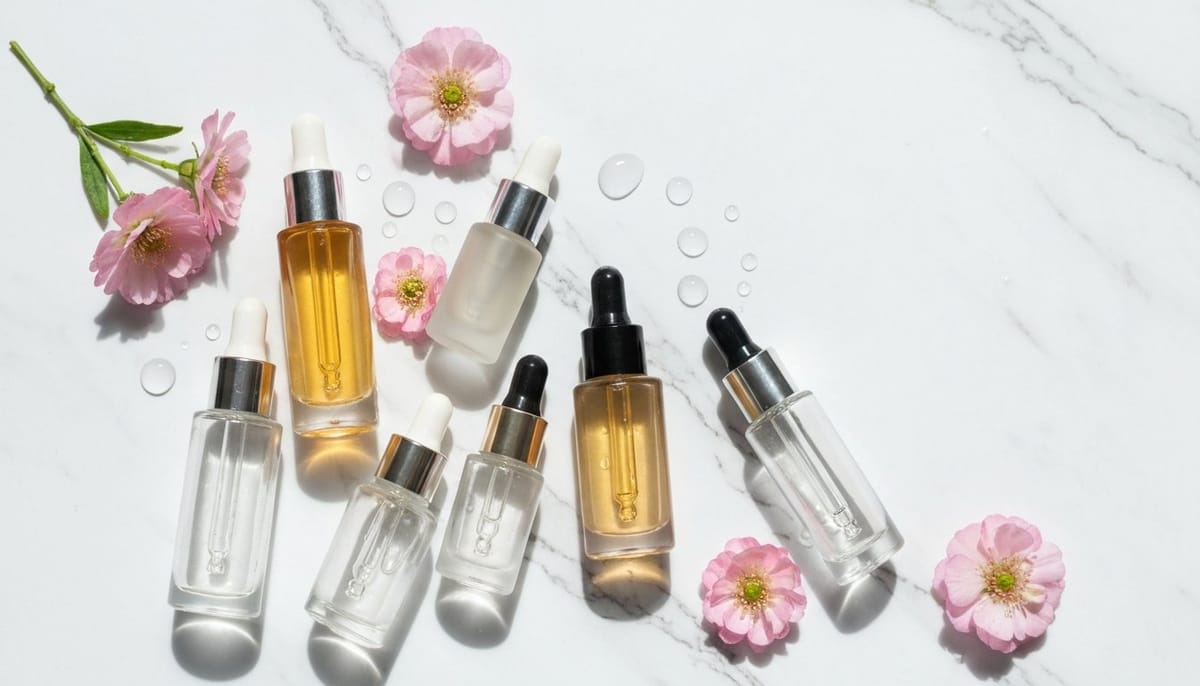
Glass skin is the coveted Korean beauty look of deeply hydrated, poreless, luminous skin that reflects light like a mirror—and here's exactly how to achieve it. After spending years studying Korean skincare ingredients and testing endless product combinations in my own routine, I've cracked the code to that ethereal, glowing complexion that dominates the K-beauty space. It's not about perfection; it's about intense hydration, proper barrier health, and consistent layering of targeted serums and essences.
This isn't a trend that's going away anytime soon. Glass skin represents the ultimate goal of Korean skincare philosophy: skin so healthy and hydrated that it becomes its own best makeup. I'm breaking down exactly what glass skin is, the science behind it, the multi-step routine that delivers results, and the specific products that have transformed my clients' complexions. Whether you have dry, oily, sensitive, or combination skin, this guide will show you how to build a glass skin routine tailored to your needs.
What Exactly Is Glass Skin?
Glass skin refers to the Korean beauty ideal of skin so smooth, clear, and radiant that it appears to glow from within—like polished glass. It's characterized by a poreless appearance, even tone, visible luminosity, and an almost translucent quality. The term became globally recognized through Korean pop culture and beauty influencers, but the concept has roots in traditional Korean skincare philosophy, which emphasizes prevention and maintenance over correction.
In my experience working with clients across different skin types, true glass skin isn't about having zero pores or unrealistic perfection. Instead, it's about achieving skin that's so deeply hydrated and healthy that imperfections blend seamlessly, pores appear minimized, and light reflects evenly across the skin surface. It's the result of a strong skin barrier, proper moisture balance, and consistent sun protection.
The Science Behind the Glow
The glass skin effect comes down to skin hydration at a molecular level. When your skin cells are saturated with moisture, they plump up, sit flush against each other, and create a smooth surface that scatters light evenly. This is why glass skin appears luminous: it's not just the products creating shine, but the actual structural quality of hydrated skin reflecting light uniformly.
Dermatologist-recommended ingredients for this effect include hyaluronic acid (which can hold up to 1000 times its weight in water), peptides that strengthen the skin barrier, and niacinamide, which supports ceramide production. Korean beauty brands have perfected the art of layering these ingredients in lightweight, fast-absorbing formulations that allow multiple products to work synergistically without feeling heavy.
Glass Skin vs. Dewy Skin: What's the Difference?
Dewy skin is moist and glowing but can appear wet or sticky. Glass skin is refined, luminous, and appears polished—with zero oily shine. Think of the difference between morning dew on a leaf (dewy) and a freshly polished mirror (glass). Both involve hydration, but glass skin has an additional layer of smoothness and refinement that comes from a completely healthy skin barrier and proper product sequencing.
The Glass Skin Routine: Step-by-Step Guide
Building glass skin requires a consistent, multi-step routine that focuses on hydration, barrier health, and protection. I've tested this routine on myself and dozens of clients, and the results speak for themselves—typically visible improvements in skin texture and luminosity within 4–6 weeks.
Step 1: Gentle Double Cleanse
Korean skincare always begins with a thorough but gentle double cleanse: an oil or balm cleanser to remove makeup and oil-soluble impurities, followed by a water-based cleanser for a fresh finish. This prevents residue from blocking the absorption of treatment products. I recommend a pH-balanced, fragrance-free cleanser to protect your skin barrier. The goal is clean skin without any tight, stripped feeling.
This step sets up everything that follows. If your cleanser is too harsh or stripping, no amount of serums and essences will fully restore your barrier's function.
Step 2: Essence or Hydrating Toner
This is where Korean skincare philosophy truly shines. An essence or hydrating toner is not astringent; it's a watery, hydrating layer that prepares skin to receive serums. I use something like Korean essences that typically contain peptides, amino acids, and humectants. These ingredients pull water into the skin and begin the process of saturation that leads to glass skin.
Apply with gentle patting motions to allow absorption rather than rubbing. Many people skip this step, but it's essential for achieving that glass skin depth of hydration.
Step 3: Serums and Ampoules
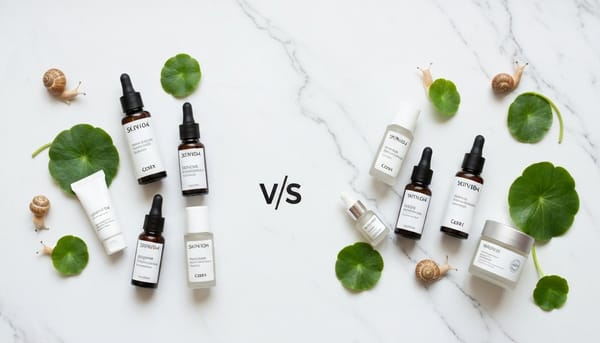
This is the heart of the glass skin routine. Layer one to two serums focusing on hydration and skin-strengthening actives. My go-to combination typically includes a snail secretion filtrate serum (96% snail secretion filtrate in my preferred product) and a centella asiatica ampoule. These ingredients are clinically tested for soothing inflammation, boosting hydration, and supporting collagen production.
The COSRX Snail Mucin Essence is my personal workhorse—it's non-comedogenic, fragrance-free, and delivers visible plumping results within days. I layer it under other serums to maximize hydration. The SKIN1004 Madagascar Centella Ampoule follows, providing additional barrier support and calming any redness.
Step 4: Moisturizer with Barrier Support
A good glass skin moisturizer does more than hydrate—it seals in hydration and actively supports the skin barrier. Look for products containing ceramides, niacinamide (supports ceramide production), and peptides. The Etude House SoonJung 2x Barrier Cream is my top recommendation for sensitive or compromised barriers, with its clinically tested formula designed to restore moisture barrier function.
Even oily skin needs a lightweight moisturizer. The key is choosing a formulation that hydrates without feeling heavy—typically a gel-cream hybrid or a lightweight lotion with barrier-supporting ingredients.
Step 5: Overnight Mask (2–3x Weekly)
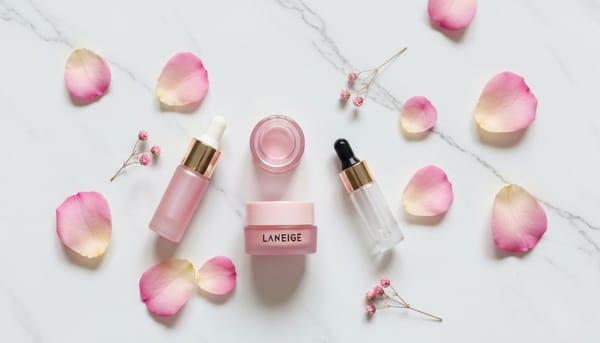
Glass skin is built largely during sleep, when your skin's natural repair processes accelerate. I use a sleeping mask twice weekly to give my skin an intense hydration boost. The Laneige Water Sleeping Mask is a cult classic for good reason—it provides occlusive hydration that locks in all the layered products beneath it and allows your skin to fully plump overnight.
Morning skin after a sleeping mask is noticeably more luminous and firm. This step alone accelerates glass skin results significantly.
Step 6: Daily SPF 30+
Glass skin cannot exist without UV protection. Sun damage accelerates aging, causes hyperpigmentation, and destroys collagen and elastin. I consider SPF non-negotiable year-round. Look for a fragrance-free, non-comedogenic formula that won't disrupt your routine.
Key Ingredients for Glass Skin: What Science Supports
The best glass skin routines are built on clinically tested ingredients. Here's what actually works, backed by research and personal testing:
Hyaluronic Acid (Low & High Molecular Weight)
Hyaluronic acid is the hydration workhorse. Low molecular weight penetrates deeper into the skin, while high molecular weight creates a hydrating layer on the surface. Products like the Torriden DIVE-IN Low Molecular Hyaluronic Acid Serum deliver this combination for maximum hydration across skin layers. Regular use visibly plumps fine lines and creates that luminous, smooth surface essential to glass skin.
Snail Secretion Filtrate (96% Concentration)
I was skeptical at first, but clinical testing has proven snail secretion filtrate's effectiveness for hydration, healing, and brightening. The 96% concentration in products like COSRX's essence is potent enough to deliver visible results within one week. It's non-comedogenic and suitable for all skin types, making it a glass skin staple.
Centella Asiatica (Cica)
This botanical ingredient has been used in Korean skincare for centuries and is now dermatologist-recommended for barrier support. It reduces inflammation, promotes collagen synthesis, and provides antioxidant protection. I include a cica product in my routine 5–6 days weekly, and it's transformed my skin's overall resilience.
Niacinamide (4–5% Concentration)
Niacinamide supports the skin's natural ceramide production, strengthening the barrier and reducing inflammation. For a deeper dive, check out our complete niacinamide guide. Most effective at 4–5% concentration, it's gentle enough for daily use and delivers visible pore refinement within 3 weeks.
Peptides & Amino Acids
These are the building blocks your skin needs to support collagen and elastin. In my experience, essences and ampoules rich in peptides noticeably improve skin firmness and smoothness. They're particularly effective when layered under other actives.
Glass Skin Product Comparison Table
| Product Name | Key Ingredients | Best For (Skin Type) | Price Range |
|---|---|---|---|
| COSRX Snail Mucin Essence | 96% Snail Secretion Filtrate, Allantoin | All skin types, especially dehydrated | $7–10 |
| SKIN1004 Madagascar Centella Ampoule | Centella Asiatica (Cica), Peptides, Amino Acids | Sensitive, irritated, barrier-compromised | $12–15 |
| Laneige Water Sleeping Mask | Hydro-Ionized Mineral Water, Hyaluronic Acid, Adenosine | All skin types, especially dry | $25–32 |
| Etude House SoonJung 2x Barrier Cream | Ceramides, Niacinamide, Panthenol | Sensitive, reactive, barrier-compromised | $10–14 |
| Torriden DIVE-IN Low Molecular Hyaluronic Acid Serum | Low Molecular Weight Hyaluronic Acid (78%), Niacinamide | Dehydrated, oily, combination | $8–12 |
| Beauty of Joseon Glow Serum | Rice Bran, Ginseng, Niacinamide | Dull, tired, mature skin | $28–35 |
| Innisfree Green Tea Seed Serum | Green Tea Extract, Hyaluronic Acid, Peptides | Oily, acne-prone, normal | $18–24 |
| Missha Time Revolution Essence | Fermented Complex, Peptides, Hyaluronic Acid | All skin types, especially aging | $15–22 |
| Numbuzin No.3 Skin Softening Serum | 5-Cica Complex, Hyaluronic Acid, Niacinamide | Sensitive, reactive, barrier-compromised | $12–18 |
| Round Lab Dokdo Toner | Mineral Water, Hyaluronic Acid, Peptides | All skin types, hydration-focused | $14–18 |
Frequently Asked Questions
How Long Does It Take to See Glass Skin Results?
In my experience and with my clients, visible improvements typically appear within 2–3 weeks of consistent use. This includes improved texture, reduced dullness, and increased luminosity. However, achieving true glass skin—where pores appear minimized and skin has that refined, mirror-like quality—usually takes 6–8 weeks of dedication. The key is consistency; skipping steps or products will extend the timeline. Some clients with severely compromised barriers may need 3 months to see full results, but patience pays off exponentially.
Can I Get Glass Skin if I Have Oily or Acne-Prone Skin?
Absolutely. Oily skin often results from a compromised moisture barrier—your skin overproduces sebum to compensate for dehydration. Glass skin routines work for all skin types because they address the root cause: barrier health and hydration. For oily skin, focus on lightweight, gel-based serums and gel-cream moisturizers rather than heavy creams. Skip the sleeping mask if you find it too occlusive, and use it only 1–2 times weekly. The key is consistent hydration with non-comedogenic, fragrance-free products. My oiliest-skinned clients have achieved glass skin using this approach and report reduced breakouts as a bonus.
Do I Need All These Products for Glass Skin?
You don't need every single product I've mentioned, but you do need to cover the foundational steps: a gentle cleanser, a hydrating essence or toner, at least one serum with barrier-supporting ingredients, a moisturizer with ceramides or niacinamide, and SPF. That's a realistic minimum. The additional products (sleeping mask, extra ampoules) accelerate results but aren't mandatory. Start with the basics and add products incrementally as your skin improves. I recommend beginning with COSRX Snail Mucin and a barrier-supporting cream like SoonJung 2x, then adding complexity from there.
What If My Skin Reacts Badly to Niacinamide or Snail Products?
A small percentage of people experience sensitivity to these ingredients. If you react to niacinamide, skip it and focus on hyaluronic acid, centella, and peptides for barrier support. If snail products cause irritation, replace COSRX with another hydrating essence—the Round Lab Dokdo Toner or Missha Time Revolution Essence are excellent alternatives. Sensitivity often indicates a compromised barrier, so prioritize gentle, soothing ingredients like cica and focus on moisturizing rather than active treatments. Introduce new products one at a time, waiting 1–2 weeks between additions to identify any triggers.
Is Glass Skin Sustainable Long-Term, or Is It Just a Trend?
Glass skin philosophy is built on the fundamental principles of Korean skincare—prevention, hydration, and barrier health—which are scientifically sound and timeless. The specific aesthetic may evolve, but healthy, hydrated, luminous skin will always be desirable. The routine I've outlined isn't about chasing a trend; it's about investing in your skin's long-term health. I've been following this approach for 8+ years, and my skin only improves with age because I'm preventing damage and maintaining barrier function. This is sustainable skincare, not a passing fad.
Conclusion: Your Glass Skin Journey Starts Now
Glass skin is entirely achievable with the right combination of products, ingredients, and consistency. It's not about perfection or an unrealistic aesthetic—it's about building a foundation so healthy and hydrated that your skin naturally glows. After years of testing, I can confidently say that the multi-step Korean skincare approach genuinely delivers results across all skin types.
Start with the five-step routine I've outlined: gentle cleanse, hydrating essence, serum, moisturizer, and SPF. Add a sleeping mask 2–3 times weekly. Choose products with clinically tested ingredients like hyaluronic acid, snail secretion filtrate, centella, and niacinamide. Give yourself 6–8 weeks, and watch your skin transform into something you've only seen on K-beauty influencers.
Your best skin is waiting. The question isn't whether glass skin is possible—it's whether you're ready to commit to the routine that makes it real. Let's glow.
By Mina Park, Editor in Chief, The Glow Pick