Beauty of Joseon Relief Sun Rice + Probiotics SPF50+ Review: Is It Worth the Hype?
After 4 weeks of daily testing, here's my honest take on the Beauty of Joseon Relief Sun — the K-beauty sunscreen that broke the internet. Spoiler: the hype is (mostly) real.

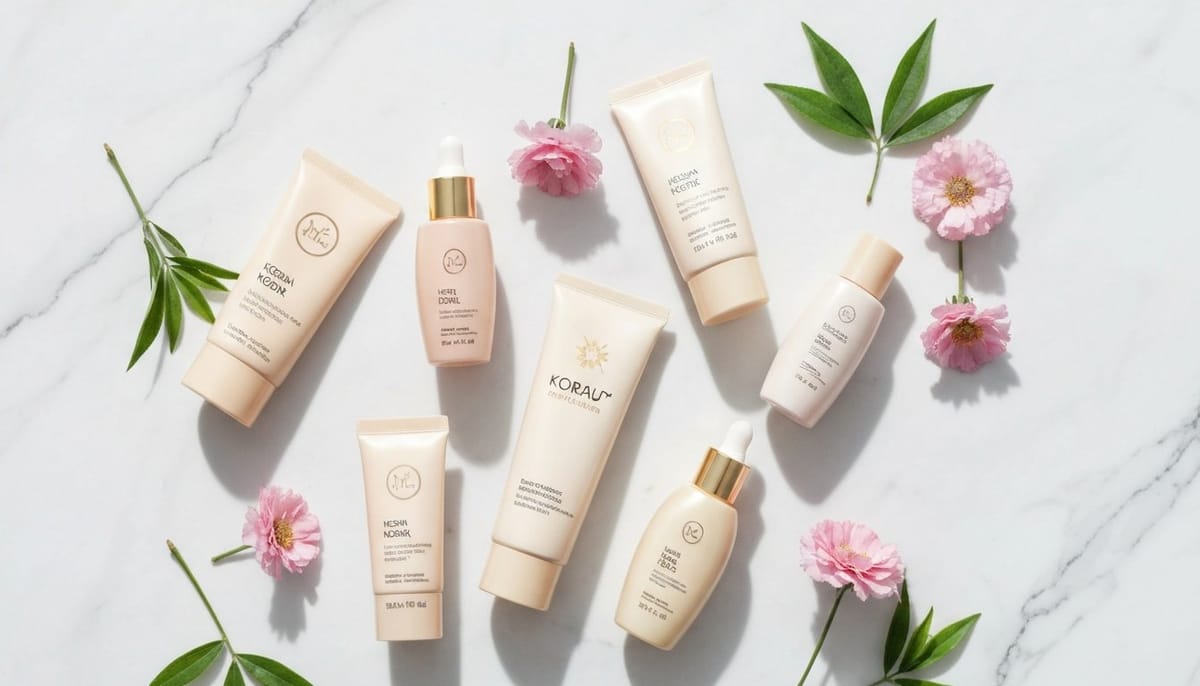
If you've spent more than five minutes on skincare TikTok in the past year, you've seen it — that elegant little tube with traditional Korean artwork, promising sun protection that feels like skincare. I'm talking about the Beauty of Joseon Relief Sun: Rice + Probiotics SPF50+ PA++++, and after testing it daily for four weeks straight, I'm finally ready to give you my honest verdict.
Here's the thing: I've reviewed over 50 Korean sunscreens in my career (see my full ranking here), and I can count on one hand the ones that genuinely changed my routine. This one made the list — but not without a few caveats you need to know about first.
What Makes Beauty of Joseon Relief Sun Different?
Before I get into my personal experience, let's talk about what sets this sunscreen apart from the hundreds of other Korean SPFs on the market. The formula combines chemical UV filters (no white cast!) with two star ingredients borrowed from traditional Korean beauty: rice bran extract and grain ferment filtrate (probiotics).
Rice bran has been used in Korean skincare for centuries — I actually did a deep dive on rice water's skincare benefits if you want the full science breakdown. In short, it's packed with vitamins B and E, amino acids, and antioxidants that brighten skin over time. The probiotics, meanwhile, help strengthen your skin barrier and keep your microbiome balanced.
What you're getting is essentially a hybrid sunscreen-serum that protects against UV damage while actively improving your skin's health. At least, that's the promise. Let me tell you what actually happened when I put it to the test.
My 4-Week Testing Experience
First Impressions (Week 1)
The texture immediately won me over. It's a lightweight, slightly milky fluid — not a cream, not a gel, somewhere beautifully in between. When I squeezed it out, it had that satisfying runny consistency that tells you it's going to spread effortlessly. And it did. Two finger-lengths covered my entire face without tugging, pulling, or pilling.
No white cast whatsoever on my NC25 skin tone. This is a chemical sunscreen, so I expected that, but some chemical filters can leave a subtle sheen or greasy film. Not this one. Within about 60 seconds, it absorbed completely and left a natural, slightly dewy finish.
The scent is worth mentioning too — it has a very faint, clean herbal note that disappears within seconds. Nothing perfumey, nothing offensive. If you're sensitive to fragrances in skincare, you'll appreciate how subtle this is.
Settling In (Weeks 2–3)
By week two, I started noticing the skincare benefits. My skin looked noticeably brighter in the mornings — not dramatic, but that subtle "I got eight hours of sleep" kind of glow that people started commenting on. I credit the rice bran extract for this, combined with the probiotic ferment supporting my barrier function.
I wore this under makeup, without makeup, to the gym, and on a weekend hiking trip. Here's where it performed versus where it struggled:
Under makeup: Excellent. It created a smooth, slightly tacky base that helped my foundation grip without looking cakey. Better than most dedicated primers I've tried. My cushion foundation lasted a solid six hours without noticeable separation.
Without makeup: This is where it truly shines. The natural finish is so flattering that I started skipping foundation entirely on lighter days. It gives your skin this healthy, glass-like quality that honestly looks better than most tinted moisturizers.
During exercise: Decent, but not bulletproof. After about 45 minutes of intense cardio, I noticed it starting to break down around my T-zone. If you're a heavy sweater, you'll want to reapply. This isn't a dealbreaker for me — I don't expect an everyday sunscreen to be sport-grade — but it's worth knowing.
Final Verdict (Week 4)
Four weeks in, I can confidently say this sunscreen earned its permanent spot in my routine. My skin looked healthier, more even-toned, and had that luminous quality that expensive treatments promise but rarely deliver. The rice and probiotic ingredients aren't just marketing — they're doing real work.
Who Should (and Shouldn't) Use This Sunscreen
It's Perfect For:
Dry to normal skin types will absolutely love this. The hydrating formula adds moisture without heaviness, making it ideal if your skin tends to feel tight after applying sunscreen. If you're following a Korean skincare routine for sensitive skin, this is gentle enough to layer without irritation — I experienced zero stinging, even on days when my barrier was compromised.
People who hate the "sunscreen feeling" — you know who you are. If thick, greasy SPFs have been your excuse to skip sun protection, this will change your mind. It genuinely feels like applying a lightweight serum.
Makeup wearers looking for a sunscreen that doubles as a primer. The smooth, slightly dewy finish creates the perfect canvas for foundation, concealer, or even just a light dusting of powder.
Consider Alternatives If:
You have very oily skin. While not heavy, this sunscreen has a dewy finish that could tip oily skin into "too shiny" territory by midday. If oil control is your priority, a mattifying sunscreen might serve you better — check out my best Korean sunscreens guide for matte options like the Innisfree Daily UV Defense or Missha All Around Safe Block.
You need heavy-duty sport or water resistance. This isn't the sunscreen for a day at the beach or marathon training. It holds up well for daily urban life but doesn't claim to be water-resistant, and my gym tests confirmed it. For outdoor activities, layer a water-resistant formula on top or switch to a dedicated sport sunscreen.
You're looking for a mineral-only formula. If you specifically need zinc oxide or titanium dioxide as your UV filters (common for those with very reactive skin or certain ingredient sensitivities), this won't work — it's purely chemical-based.
Key Ingredients Breakdown
Let's geek out on the formula for a moment, because this is where Beauty of Joseon really did their homework:
Rice Bran Extract (30%) — The hero ingredient and it's listed right at the top. At this concentration, you're getting meaningful amounts of ferulic acid (an antioxidant that actually boosts UV protection), gamma-oryzanol, and phytic acid for gentle brightening. I've seen rice extract at 1–5% in other formulas — 30% is serious.
Grain Ferment Filtrate — This probiotic-derived ingredient helps maintain your skin's acid mantle and supports the microbiome. In practical terms, it means less irritation and better resilience against environmental stressors. Think of it as feeding the good bacteria on your skin so they can do their job protecting you.
UV Filters: Diethylamino Hydroxybenzoyl Hexyl Benzoate + Ethylhexyl Triazone — Modern chemical filters that provide broad-spectrum UVA/UVB protection without the white cast of mineral filters. These are well-established in Korean and European sunscreen formulations. I appreciate that Beauty of Joseon went with newer-generation filters that are more photostable than older options like avobenzone.
Niacinamide — A small but smart addition. Even at low percentages, niacinamide supports barrier function and helps with brightening, complementing the rice extract beautifully. It's like a supporting actor that makes the lead performance even better.
How It Compares to Other Popular K-Beauty Sunscreens
I know you're probably wondering how this stacks up against other Korean sunscreen favorites. Here's my quick comparison based on personal testing:
vs. COSRX Aloe Soothing Sun Cream: The COSRX is a great budget option, but the Beauty of Joseon has a more elegant texture and better skincare benefits. The Aloe Sun Cream can feel slightly heavier and takes longer to absorb. If budget is your main concern, COSRX is solid — but the Beauty of Joseon is worth the small price upgrade.
vs. Isntree Hyaluronic Acid Watery Sun Gel: This is a closer competition. The Isntree is more hydrating and has a watery gel texture that oily skin types might actually prefer. But for brightening benefits and overall skin improvement, the Beauty of Joseon wins. I'd say Isntree for hydration, Beauty of Joseon for glow.
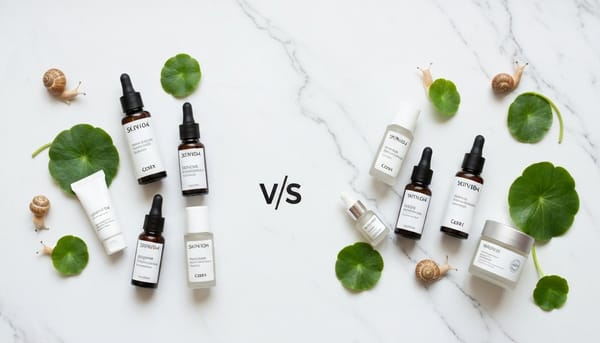
vs. Skin1004 Madagascar Centella Air-Fit Suncream: Another excellent option, especially if you're dealing with redness or irritation. The centella formula is more calming, while the Beauty of Joseon is more brightening. Choose based on your primary skin concern.
How to Use It in Your Routine
Apply it as the last step of your morning skincare routine, after moisturizer but before makeup. Here's my recommended approach:
Step 1: Cleanse, tone, and apply your serums and moisturizer as usual.
Step 2: Wait 1–2 minutes for your moisturizer to absorb (this prevents pilling).
Step 3: Squeeze two finger-lengths of the Relief Sun and dot it across your forehead, cheeks, nose, and chin.
Step 4: Gently spread and pat — don't rub aggressively. The formula distributes best with light patting motions.
Step 5: Wait another 2–3 minutes before applying makeup or heading outside.
For reapplication throughout the day, I recommend tapping a fresh layer over your existing sunscreen and makeup every 2–3 hours of sun exposure. The lightweight texture makes midday reapplication much less disruptive than heavier formulas.
Price and Where to Buy
At around $10–16 for 50ml, the Beauty of Joseon Relief Sun sits in the sweet spot between affordable and premium. For the ingredient quality and formula sophistication you're getting, this is an exceptional value — comparable products from Western brands often run $30–45 for similar or even inferior formulations.
You can find it on Amazon with Prime shipping, or through K-beauty retailers like Olive Young Global and YesStyle. Pro tip: Olive Young often runs promotions where you can grab it for under $10 — worth checking their sale section regularly.
Final Rating: 9/10
The Beauty of Joseon Relief Sun: Rice + Probiotics SPF50+ PA++++ is one of those rare products where the viral hype actually matches reality. It delivers elegant, comfortable sun protection with genuine skincare benefits — and does it all at a price point that makes daily generous application feel guilt-free.
I'm docking one point for the lack of water resistance, which limits its versatility for active outdoor use. But for daily wear? This is as close to perfect as I've found in the K-beauty sunscreen space. If you're building your Korean skincare collection, this should be one of your first purchases.
Trust me on this one — your skin (and your makeup) will thank you.
By Mina Park
Beauty of Joseon Sunscreen Variants Compared
| Variant | SPF/PA | Key Ingredient | Finish | Best Skin Type | White Cast |
|---|---|---|---|---|---|
| Relief Sun: Rice + Probiotics | SPF50+ PA++++ | Rice bran water, Probiotics | Dewy | Dry, Normal | Minimal |
| Matte Sun Stick: Mugwort + Camelia | SPF50+ PA++++ | Mugwort, Camellia oil | Matte | Oily, Combination | None |
| Light On Serum: Rice + Probiotics | SPF50+ PA++++ | Rice extract, Niacinamide | Lightweight | All skin types | None |
| Sunscreen Serum: Mung Bean | SPF50+ PA++++ | Mung bean extract | Semi-matte | Sensitive, Acne-prone | None |
Frequently Asked Questions
Is Beauty of Joseon sunscreen safe for sensitive skin?
Yes, most variants are formulated without fragrance, essential oils, and common irritants. The Relief Sun uses organic UV filters (no mineral white cast), and the Mung Bean variant is specifically designed for sensitive and acne-prone skin. It is dermatologist-tested and has a non-comedogenic formula.
Does Beauty of Joseon sunscreen leave a white cast on dark skin?
The Relief Sun (Rice + Probiotics) is a chemical sunscreen that leaves minimal to no white cast on most skin tones. The Light On Serum and Mung Bean variants are completely transparent. None of the variants use zinc oxide or titanium dioxide as primary filters.
How does Beauty of Joseon sunscreen compare to other K-beauty sunscreens?
It competes directly with COSRX Aloe Soothing Sun Cream and Isntree Hyaluronic Acid Watery Sun Gel. Beauty of Joseon stands out for its traditional hanbang ingredients (rice, mugwort) and competitive price point ($10-16), making it one of the best value SPF50+ options in K-beauty.
Can you wear Beauty of Joseon sunscreen under makeup?
Yes, all variants work well as a makeup base. The Relief Sun provides a dewy glow that pairs well with foundation, while the Matte Sun Stick provides grip for makeup. Apply and wait 2-3 minutes before applying primer or foundation for best results.